
Products

Scanning Probe Microscopy
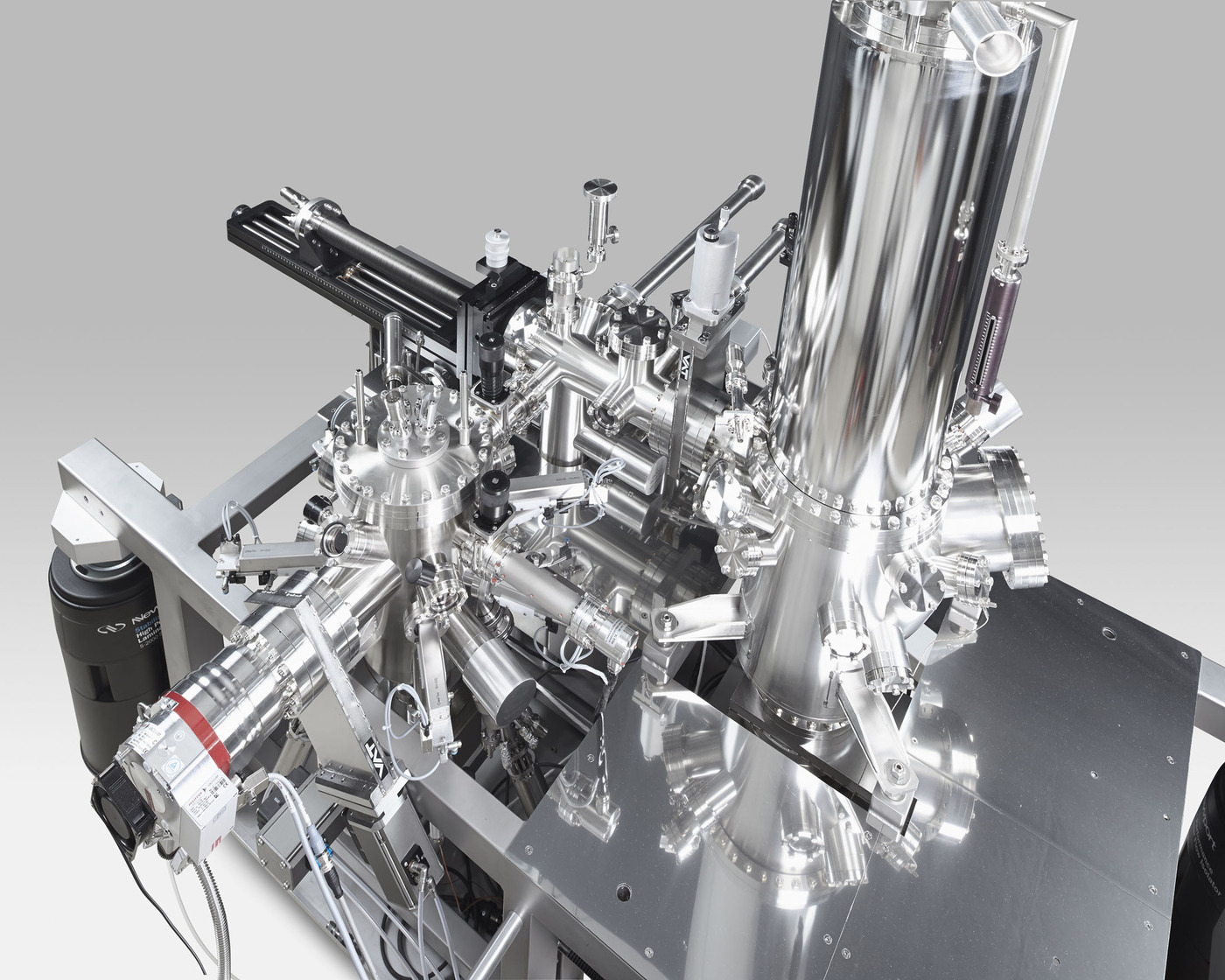
Combined LT-SPM / MBE
CreaTec's 4 K LT-STM/AFM, an MBE growth chamber, a buffer chamber and a load lock on one frame. Samples on flag-style holders move from growth to the microscope without leaving ultra-high vacuum.
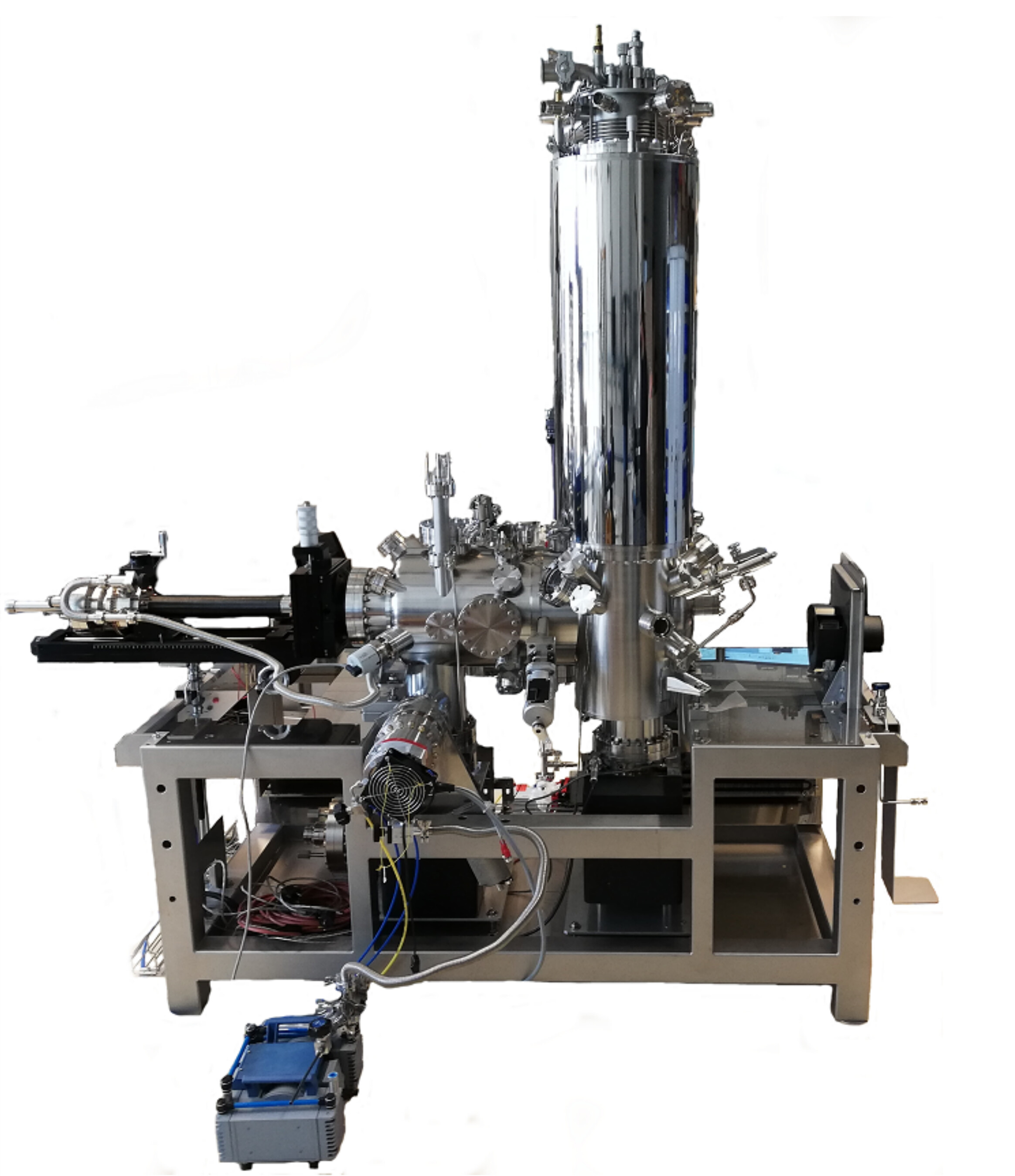
1K LT-STM/AFM
STM and qPlus AFM on a helium bath cryostat with a pumped 1 K stage and an immersed superconducting coil, up to 8 T perpendicular to the sample. The head reaches below 1.5 K single-shot and below 1.7 K continuous.
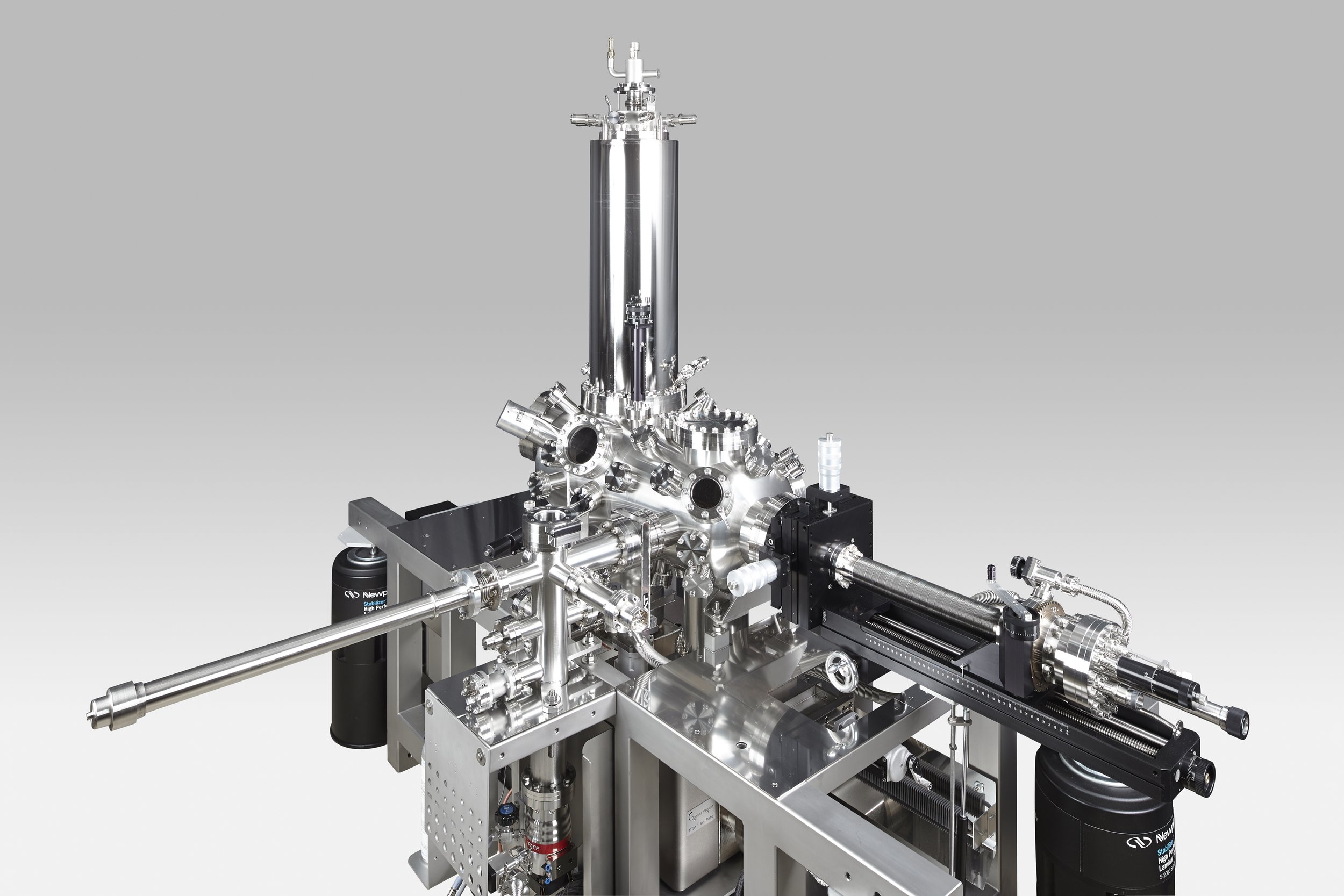
LT-STM/AFM
CreaTec's 4 K scanning probe microscope: a PAN-slider head below a liquid-helium bath cryostat, built as an LT-STM or a combined LT-STM/AFM with the qPlus sensor. Options: lenses or parabolic mirrors, a 2 T coil, RF cabling, a pumped cryostat.
Deposition & Growth
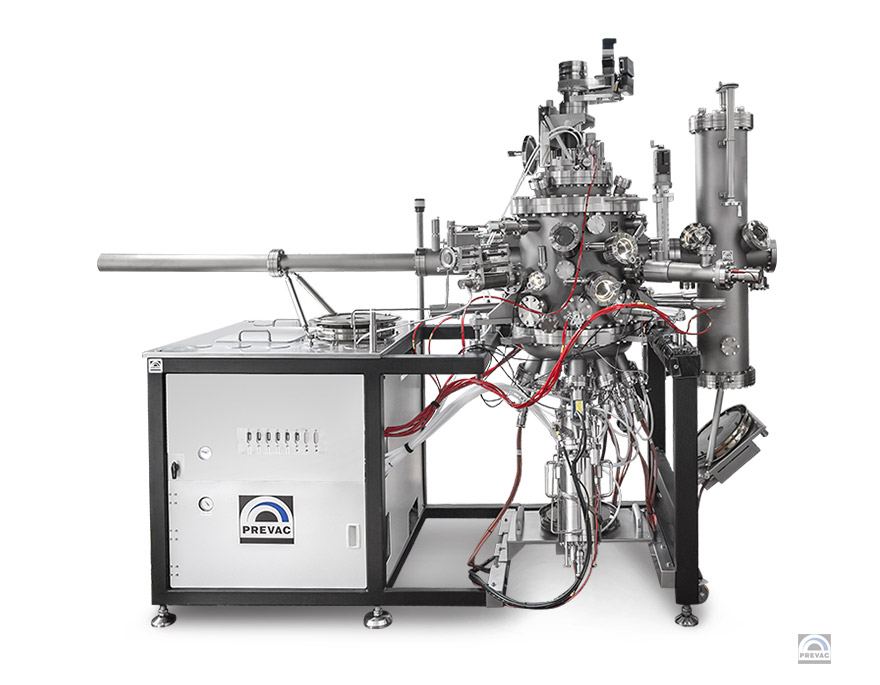
Standard MBE Systems
Field-proven stand-alone MBE configurations for reliable thin film deposition.
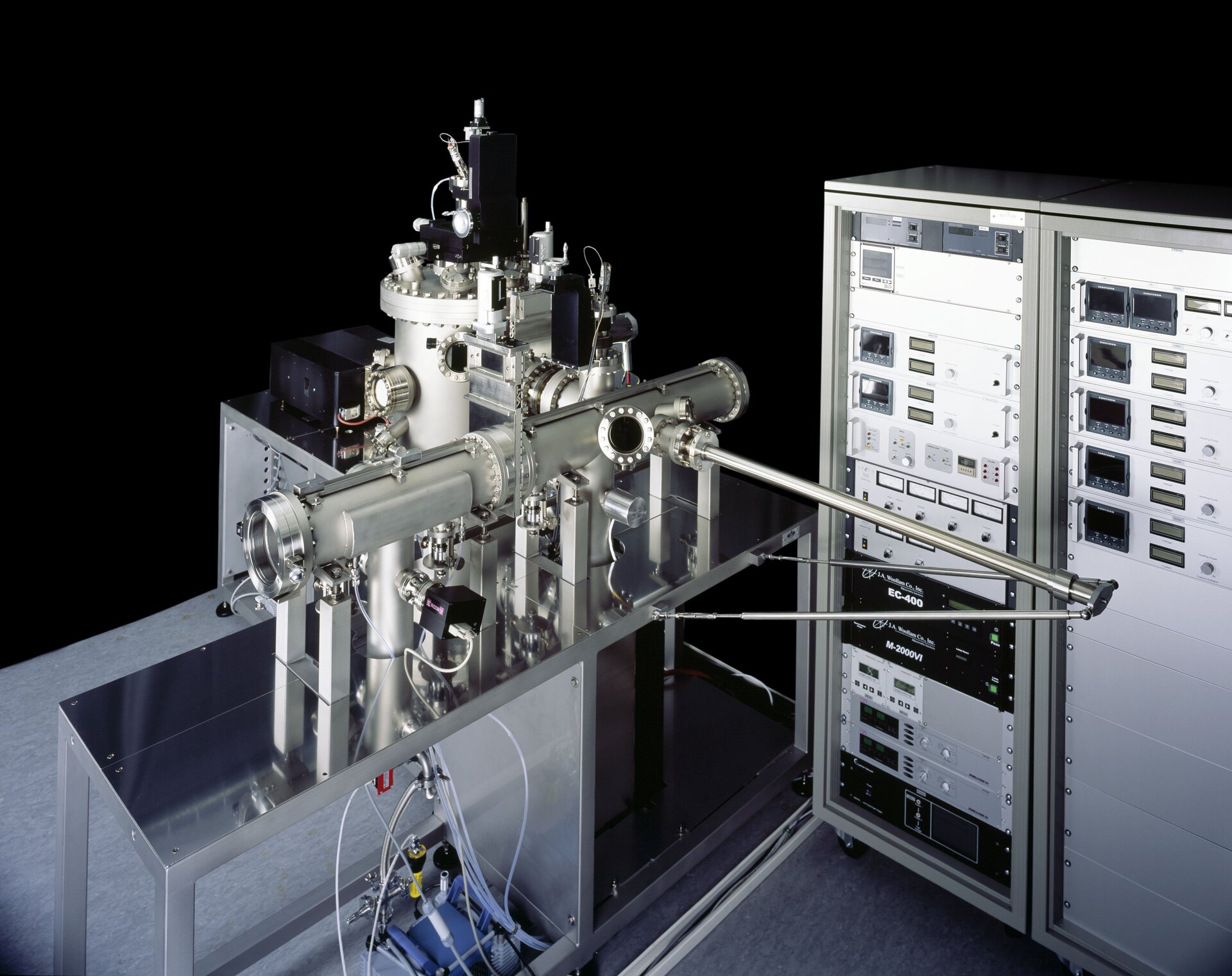
MBE Growth Systems
Research-grade MBE assembled under Class 10 cleanroom conditions. Base pressure < 5 × 10⁻¹¹ mbar, cVac automation, and integrated RHEED/BFM monitoring.
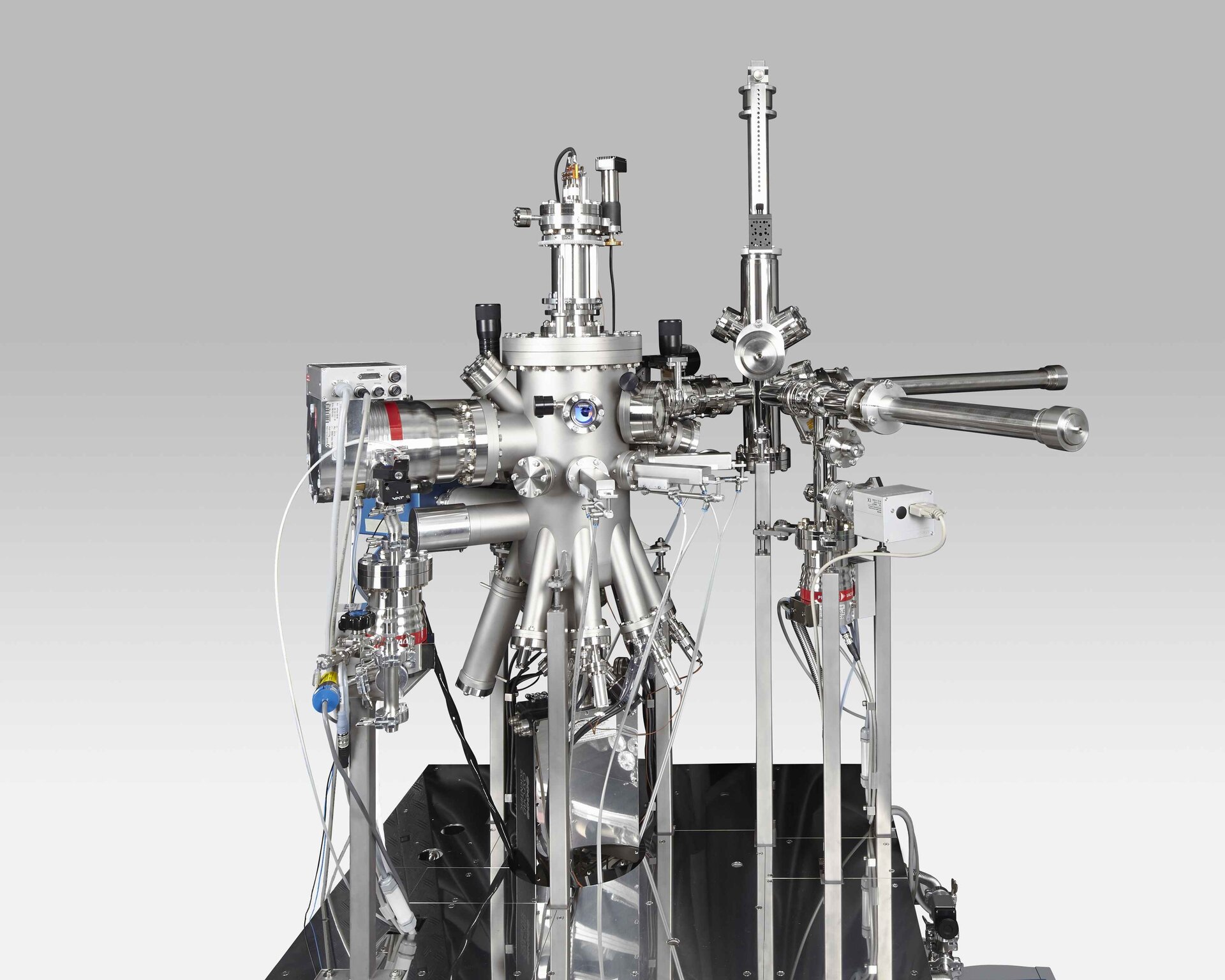
Mini MBE
Full-featured MBE in compact form — up to 11 effusion sources, 206/256 mm chamber, optional LT-STM/AFM integration for combined growth and atomic-resolution analysis below 5 K.
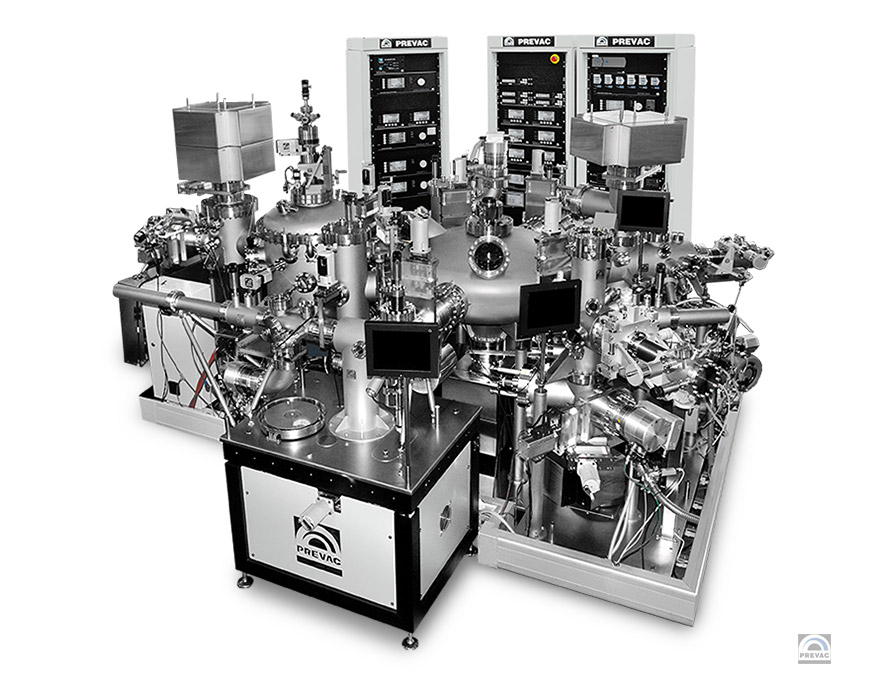
Advanced MBE Systems
Multi-chamber UHV platform with up to 10 evaporation ports for complex heterostructure growth.
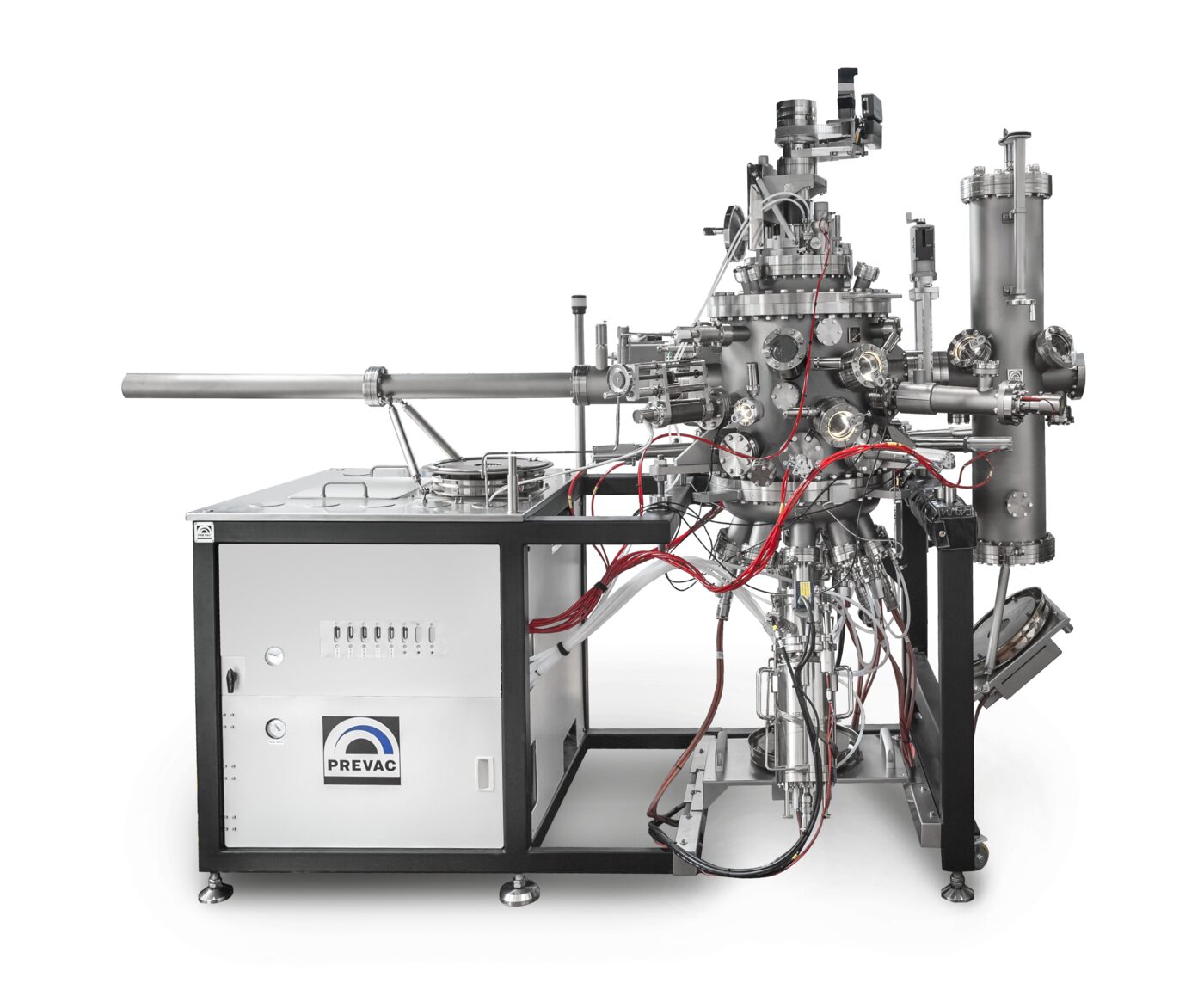
iMBE Systems
Fully automated MBE with up to ten sources and 4-inch substrates for repeatable, semi-production epitaxial growth.
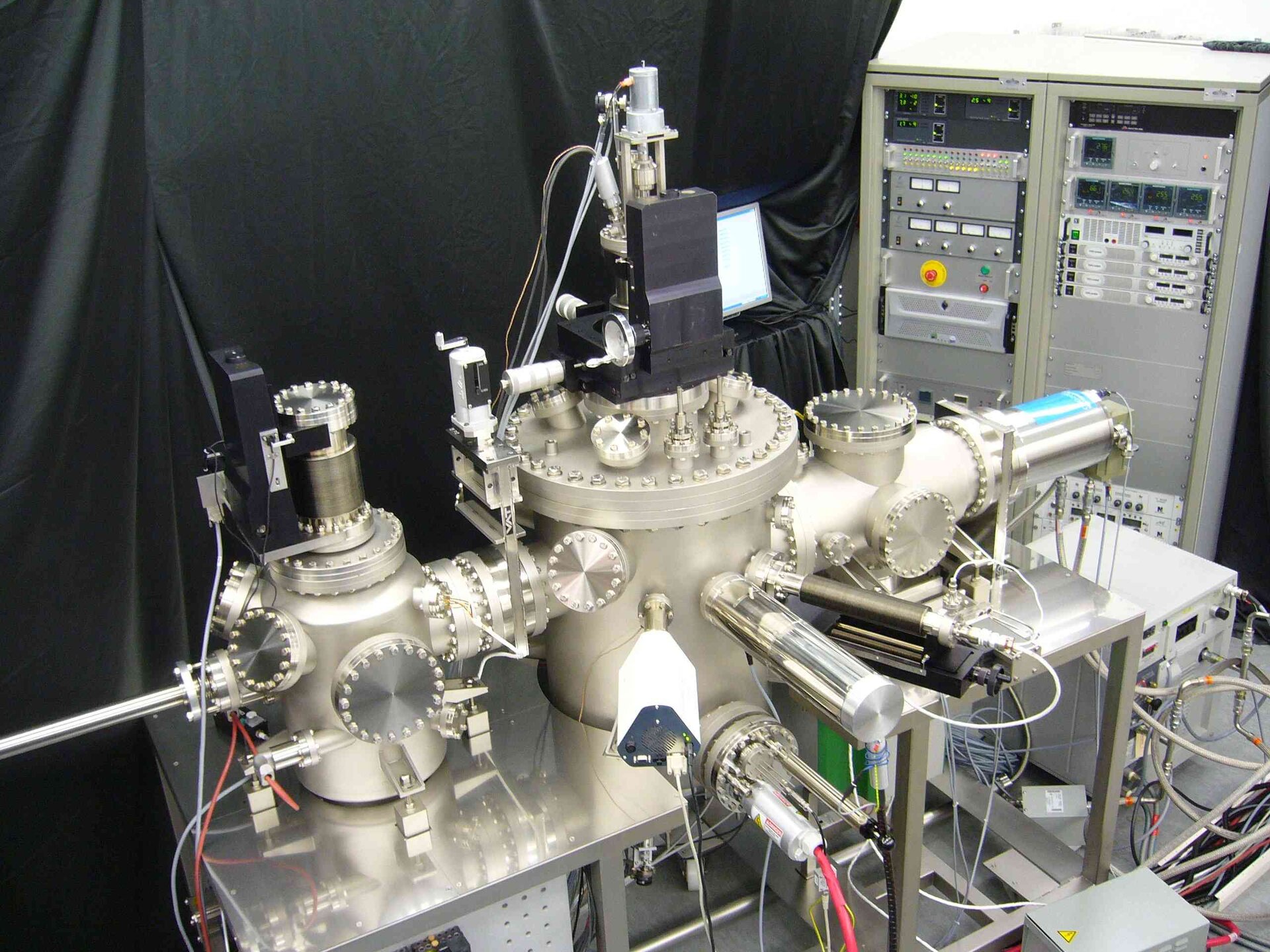
Effusion Cells & Evaporators
Operating temperatures from -60 °C to 2400 °C. TUBO, HTC, DFC, CLC, CRC, V-CRC, EBE, OLED, and multi-cell versions, manufactured to evaporate almost every material.
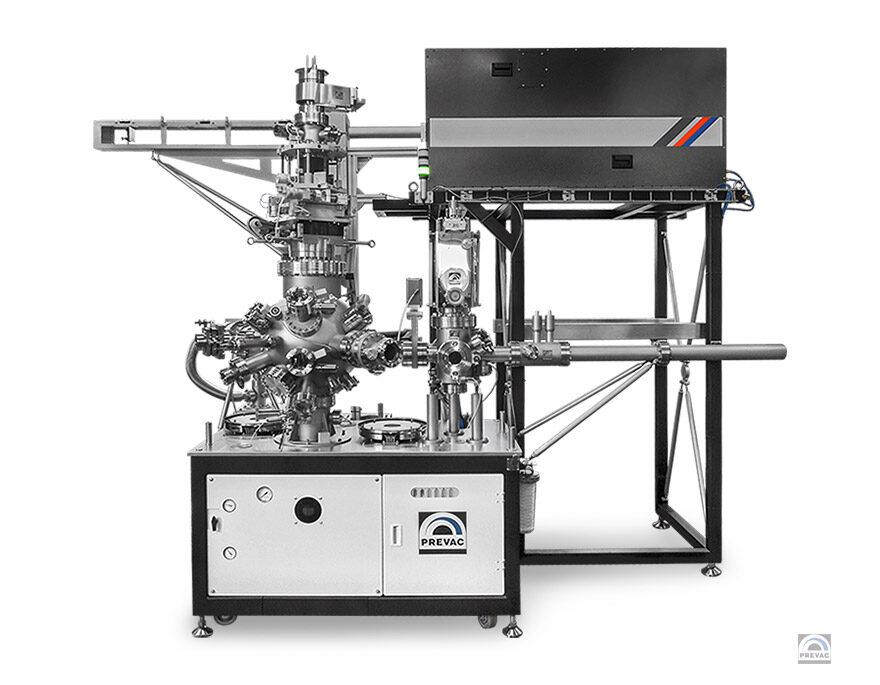
Standard PLD Systems
Stand-alone pulsed laser deposition with a six-target carousel and 1400 °C substrate heating for oxides and superconductors.
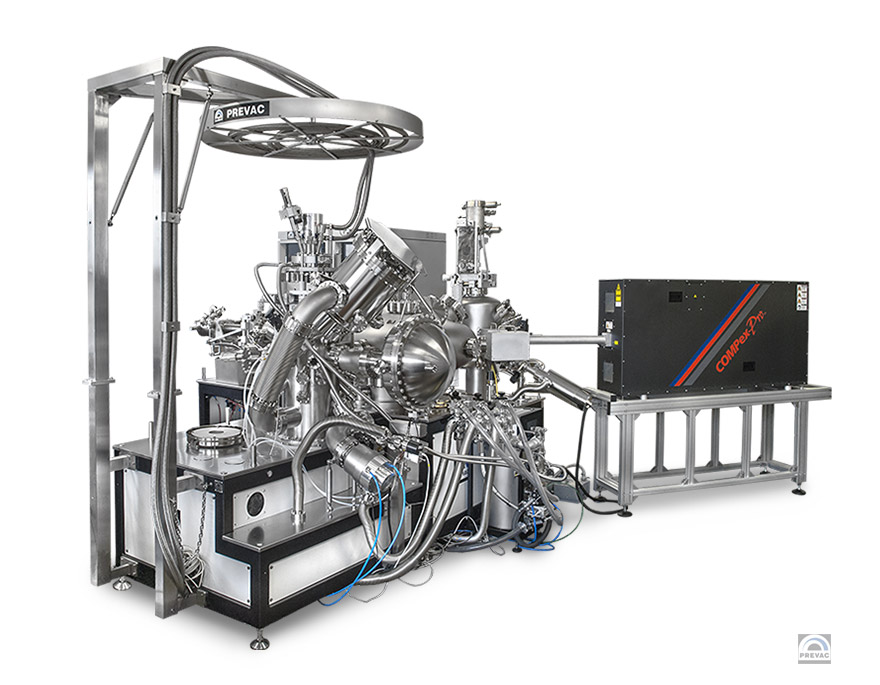
Advanced PLD Systems
Customized UHV platforms for pulsed laser deposition of ferromagnetic films, ceramic oxides, high-temperature superconductors and metallic multilayers.
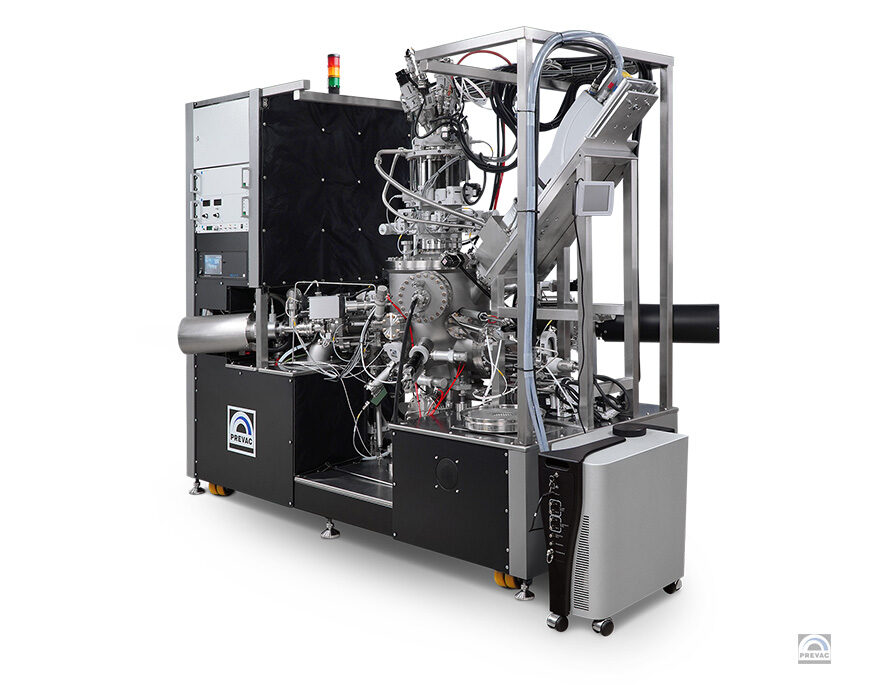
iPLD Systems
Autonomous pulsed laser deposition with in-situ target exchange and reactive-atmosphere operation to 10 mbar.
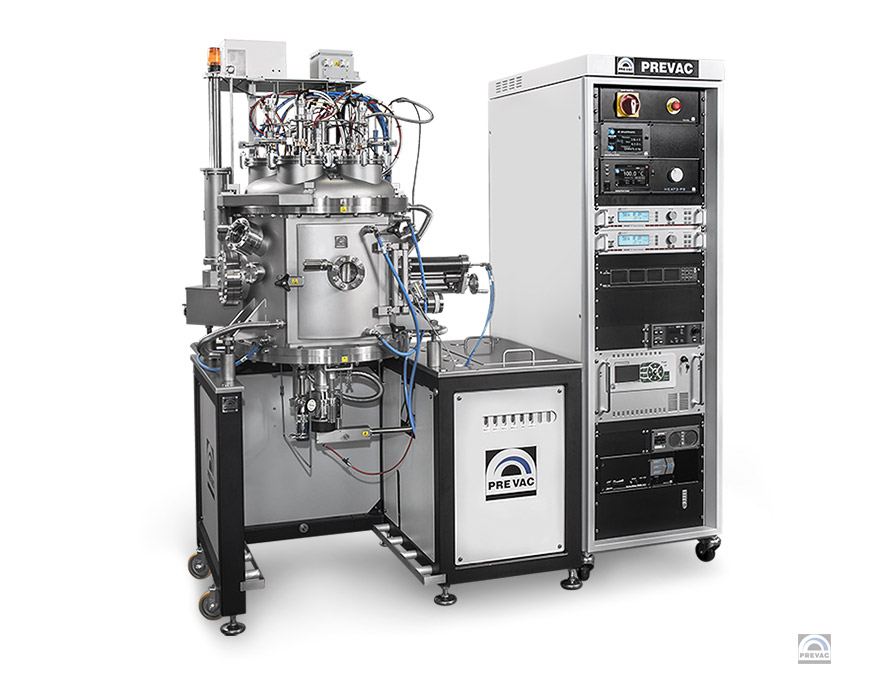
Standard Sputtering Systems
Stand-alone magnetron sputtering with proven standard configurations for dependable thin film work.
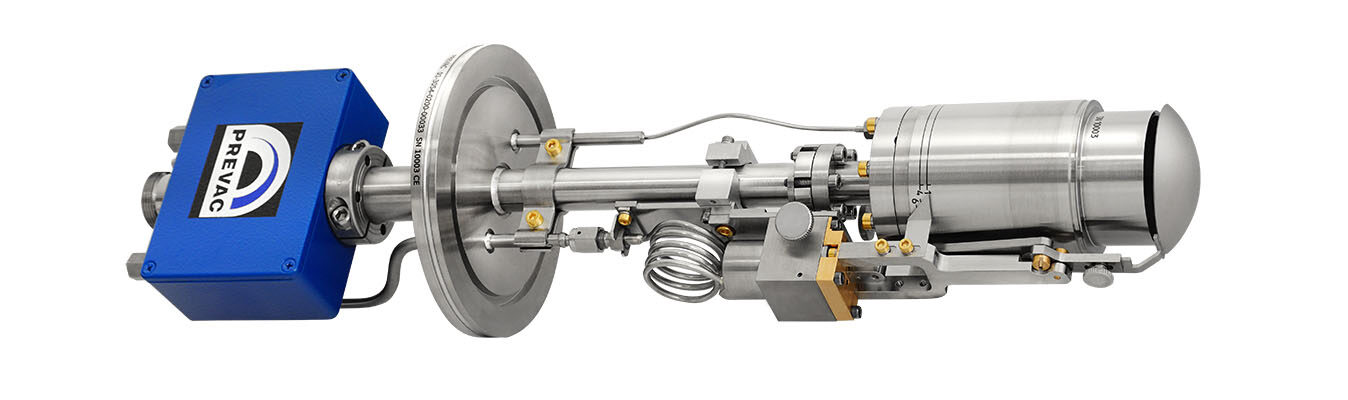
PRIMS Basic Sputtering System
Compact plug-and-play magnetron sputtering with up to three 2-inch sources for labs and teaching cleanrooms.
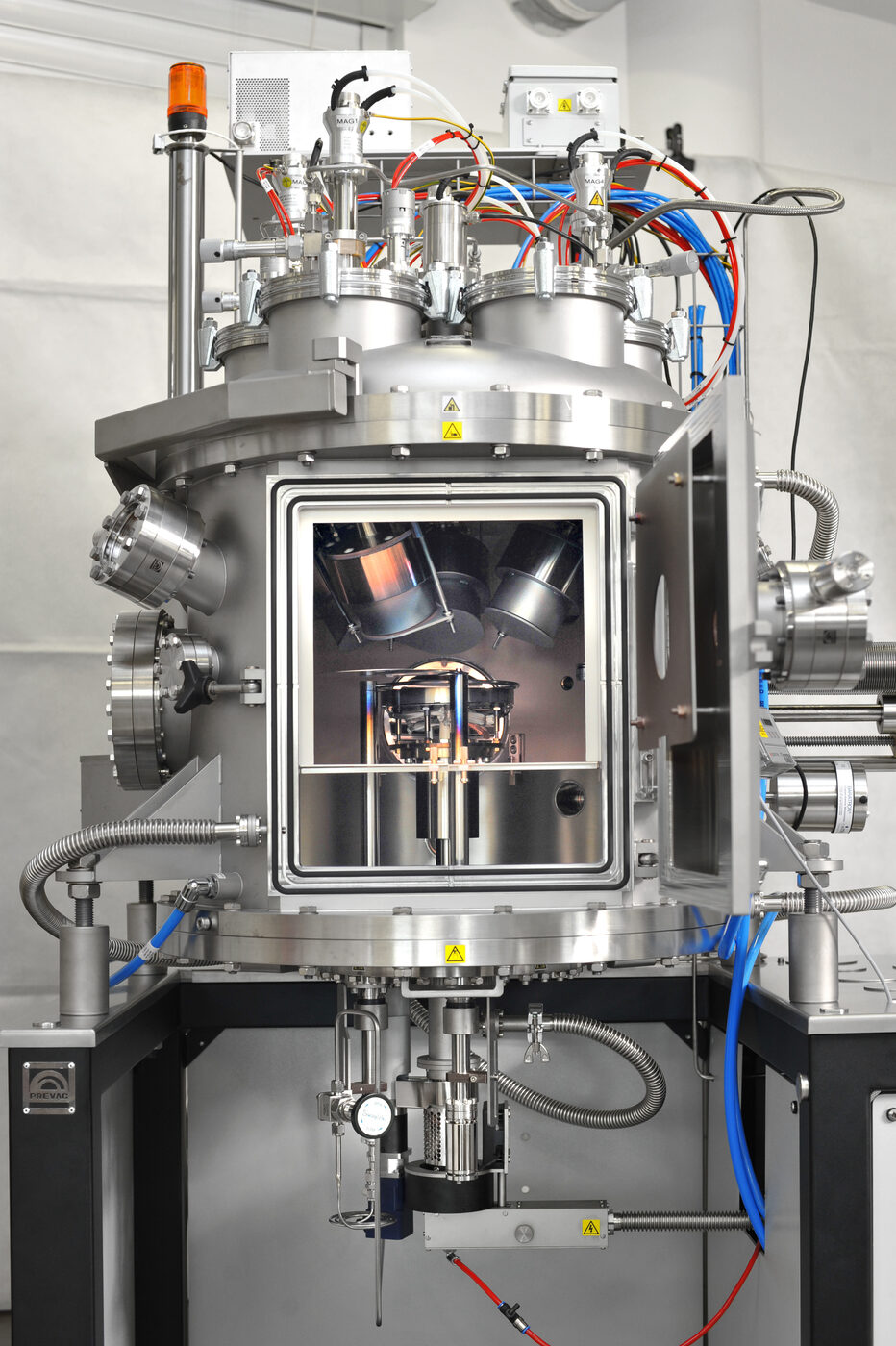
Advanced Sputtering Systems
Customized multi-chamber magnetron sputtering to UHV with DC, RF and pulsed-DC modes, HiPIMS on request, and substrates to 6 inches.
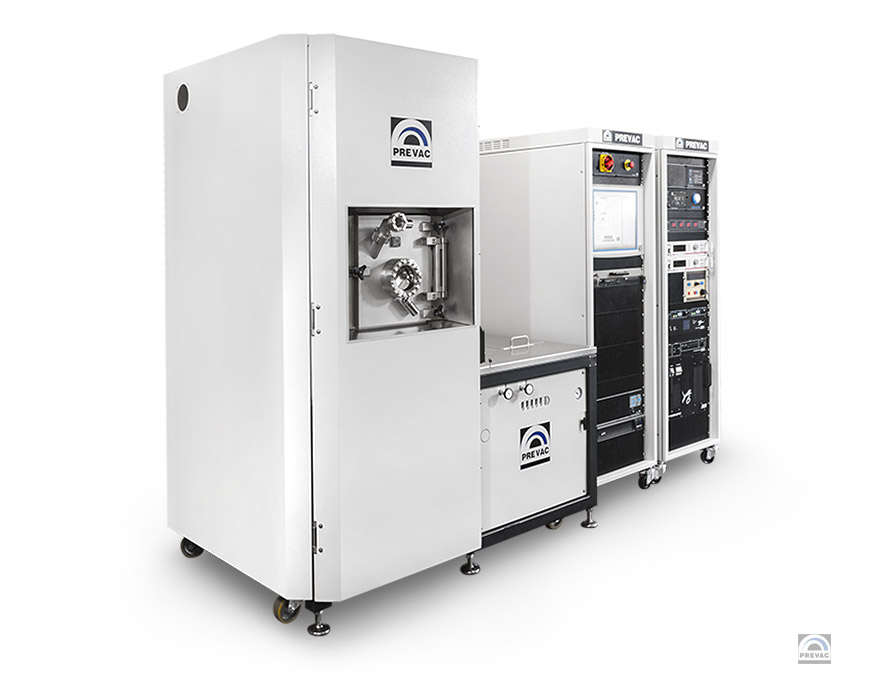
Semi-Industrial Sputtering Systems
Automated HV unit for semi-production coating of metal and dielectric thin films.
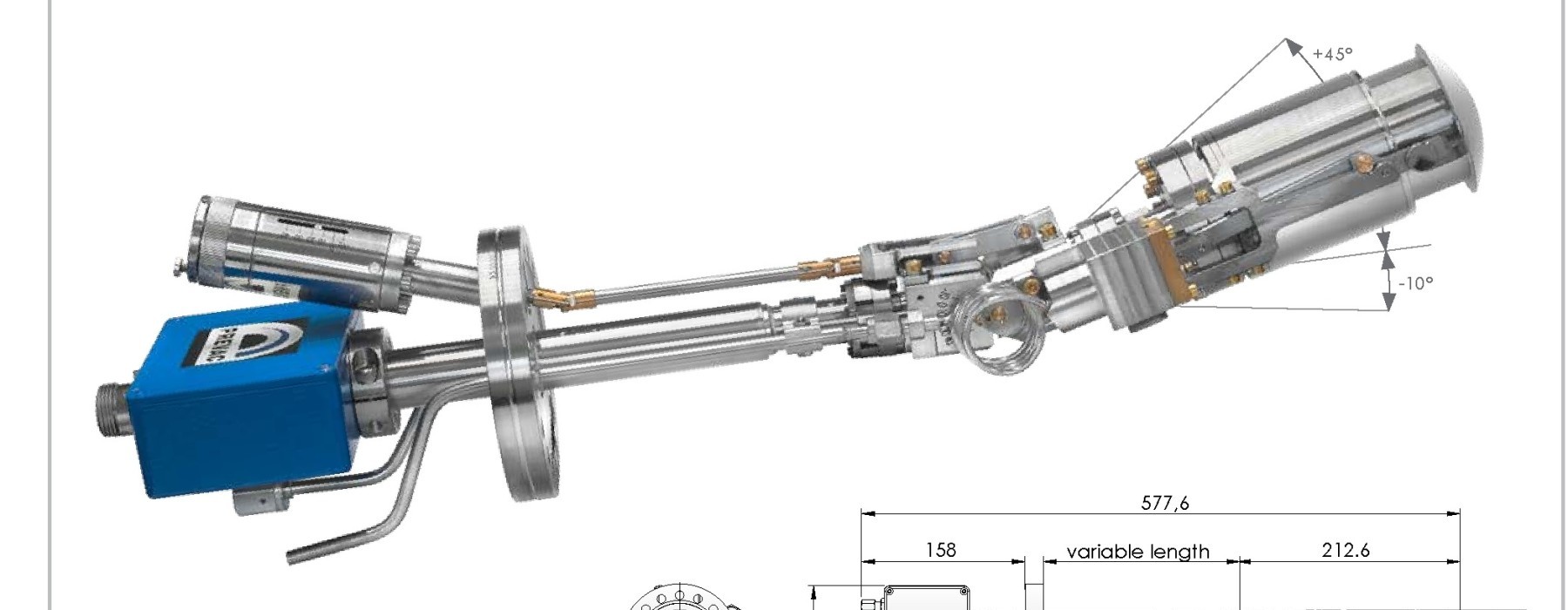
Sputter Sources & Power Supplies
PREVAC magnetron sputter sources for 2″ and 3″ targets (DN 63–160 CF flanges), compatible with DC, RF, pulsed-DC and HiPIMS power supplies, and PREVAC's M600DC-PS and M1600-PDC magnetron power supplies.
Sample Handling & Transfer
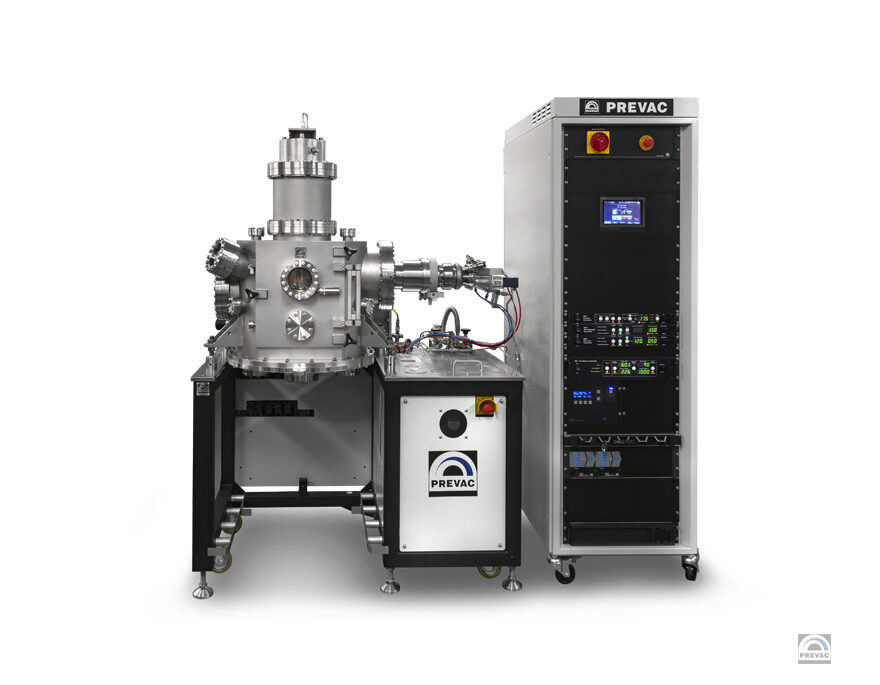
Ion Beam Etching Systems
UHV ion etching with high homogeneity for sample preparation, with a water-cooled motorized stage and integrated Faraday cup.
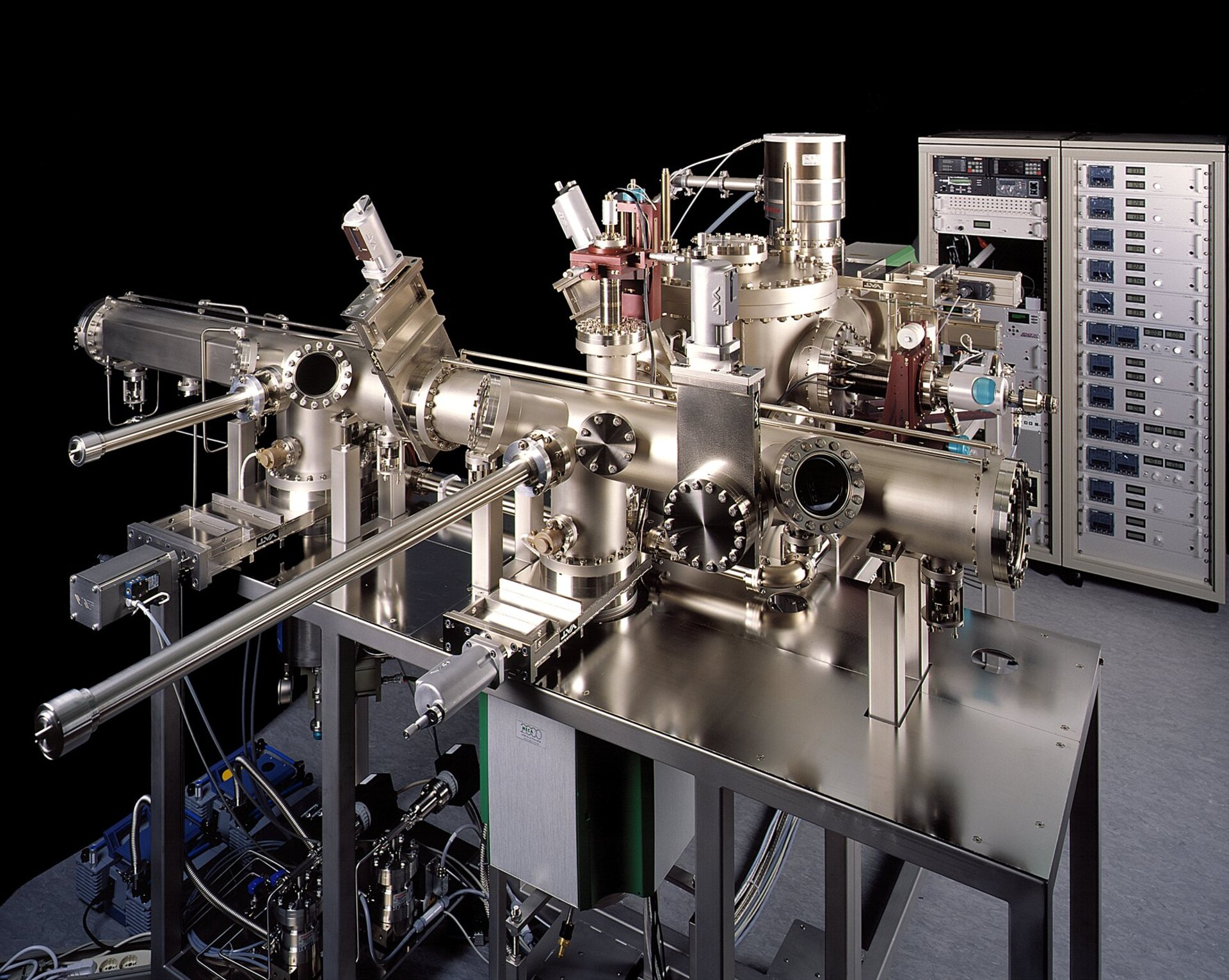
Linear Transfer Systems
Modular UHV transfer connecting experimental stations — expandable in all directions. Manipulators to 1700 °C, up to 6 axes of motion, wobble sticks, transfer rods, and in-situ sample storage.
Spectroscopy & Analytics
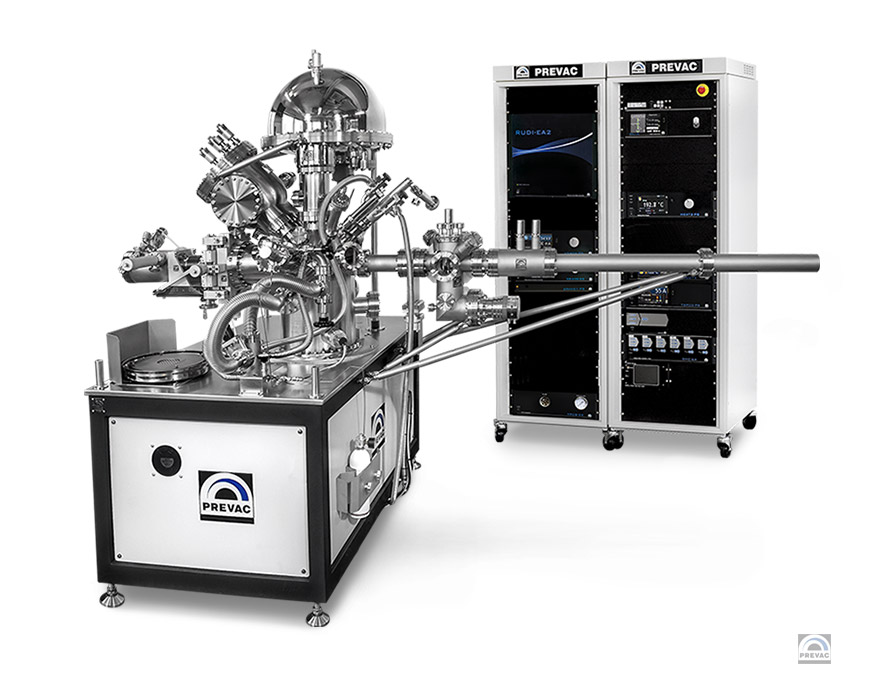
Standard PES Systems
Stand-alone analysis chamber with load-lock for XPS, UPS, ARPES, AES, EELS, ISS, IPES and LEIPS in UHV.
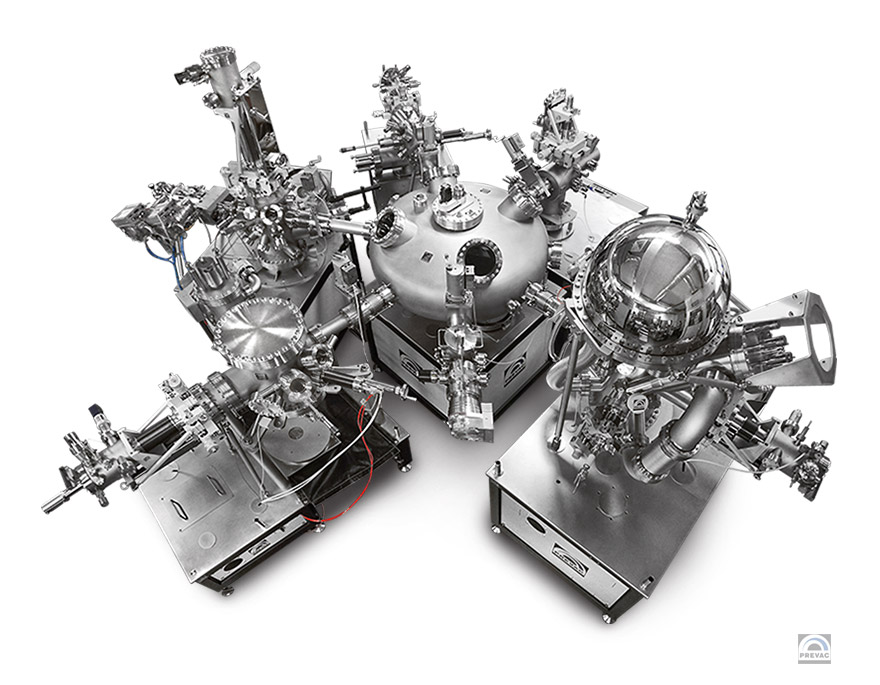
Advanced PES Systems
Multi-chamber photoelectron spectroscopy designed for maximum compatibility with other surface science techniques.
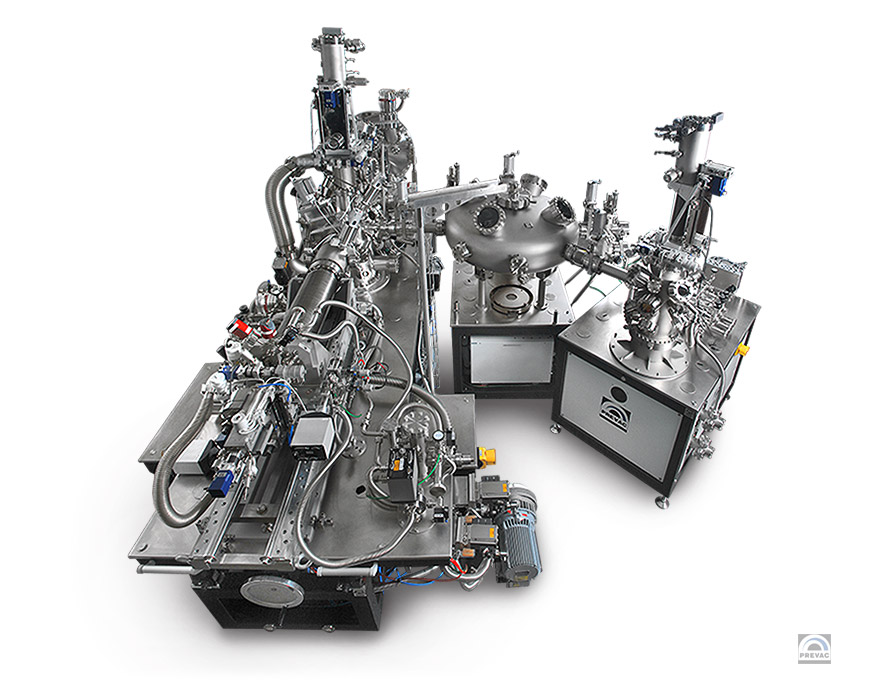
Advanced HPPES Systems
Photoelectron spectroscopy from UHV to 50 mbar with a versatile gas cell, for research on gas–solid and gas–liquid interactions.
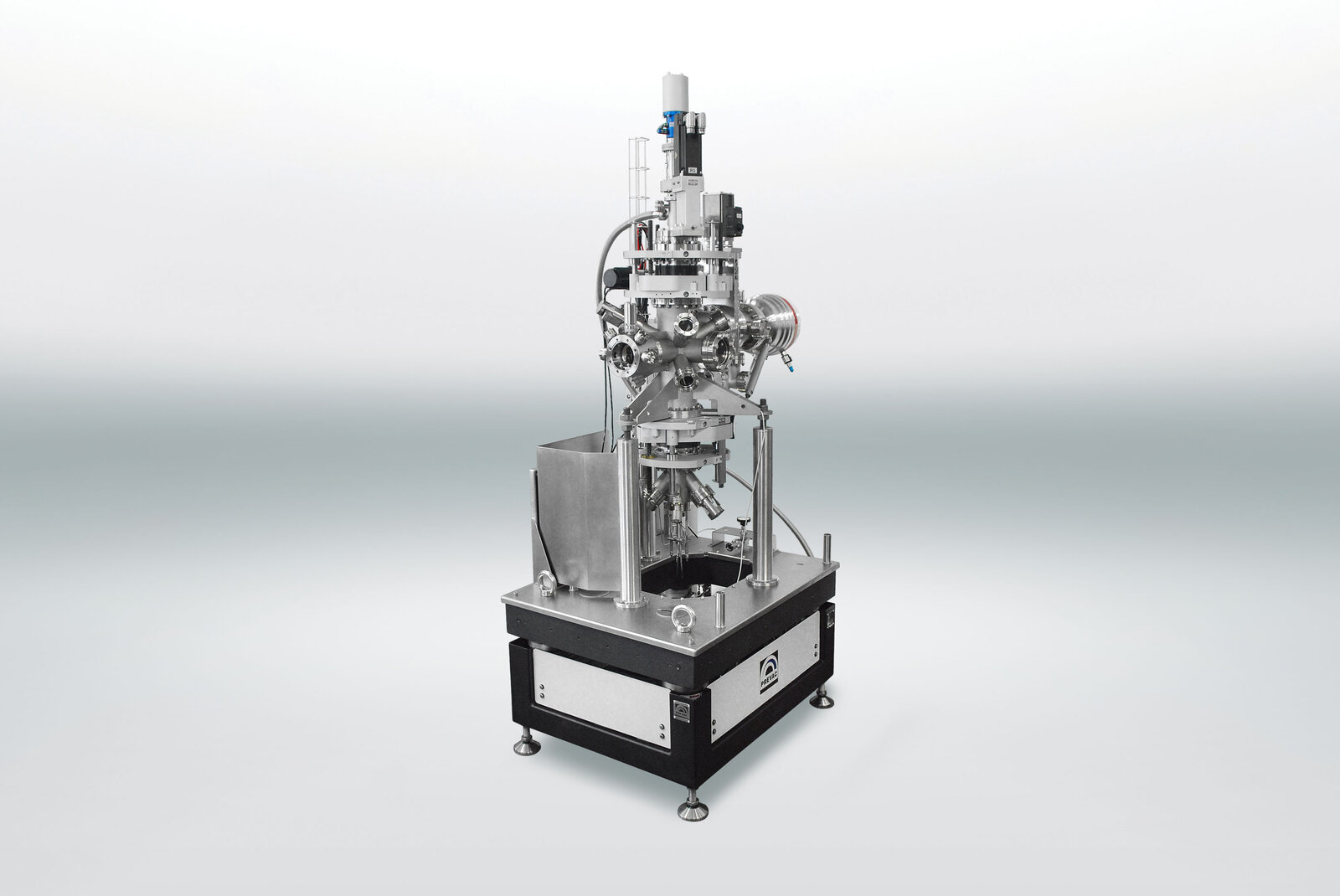
UHV Tribometer Systems
Modular UHV tribometer for friction, wear, indentation, and fracture studies from 10⁻⁹ mbar to 1 atm and -120 °C to 600 °C, with a 6-axis force sensor and closed-loop load control.
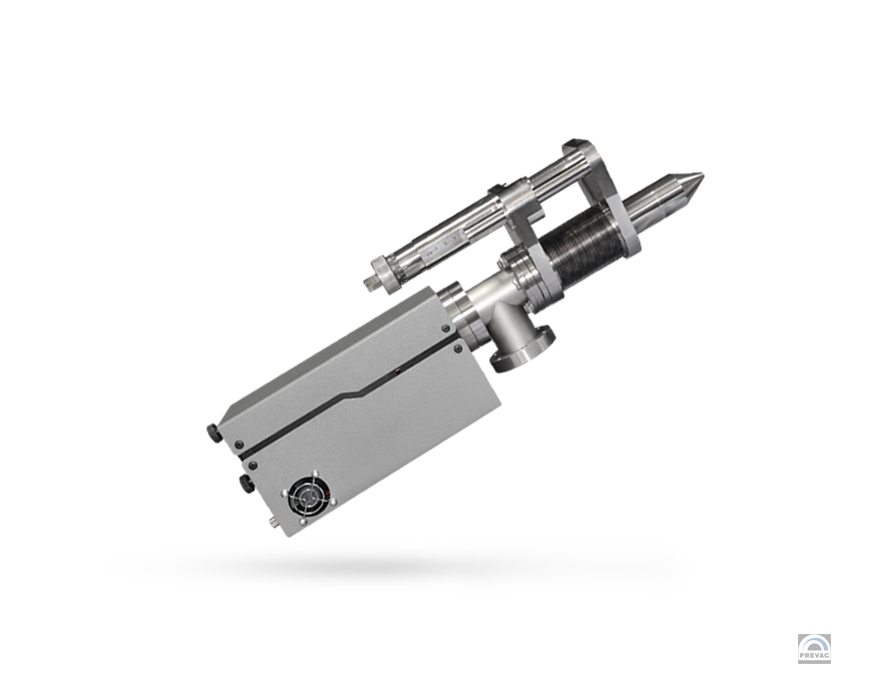
TPD/TDS Systems
Stand-alone UHV unit for temperature-programmed desorption: adsorption and desorption measurements on ultrathin films.
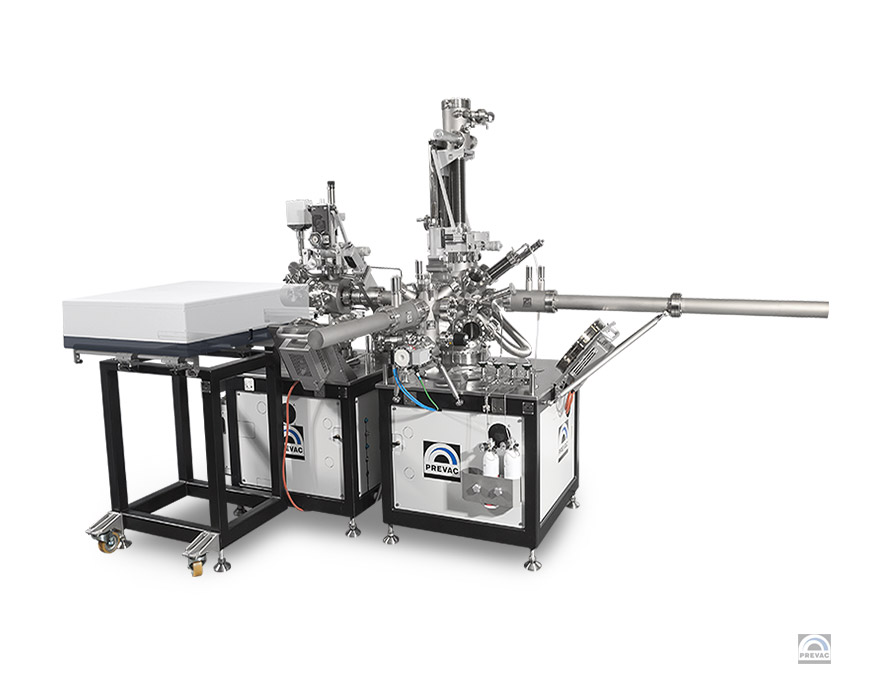
FTIR Spectroscopy Systems
UHV-compatible infrared spectroscopy for surface adsorbate and thin film vibrational analysis.
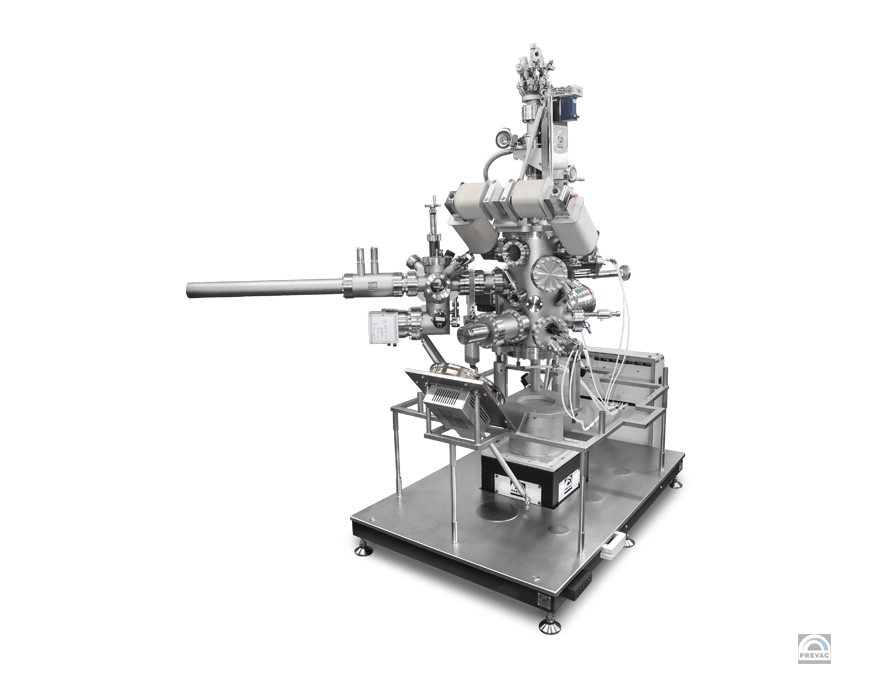
MOKE Systems
Real-time magneto-optical Kerr effect measurements on ultra-thin magnetic films and multilayers.
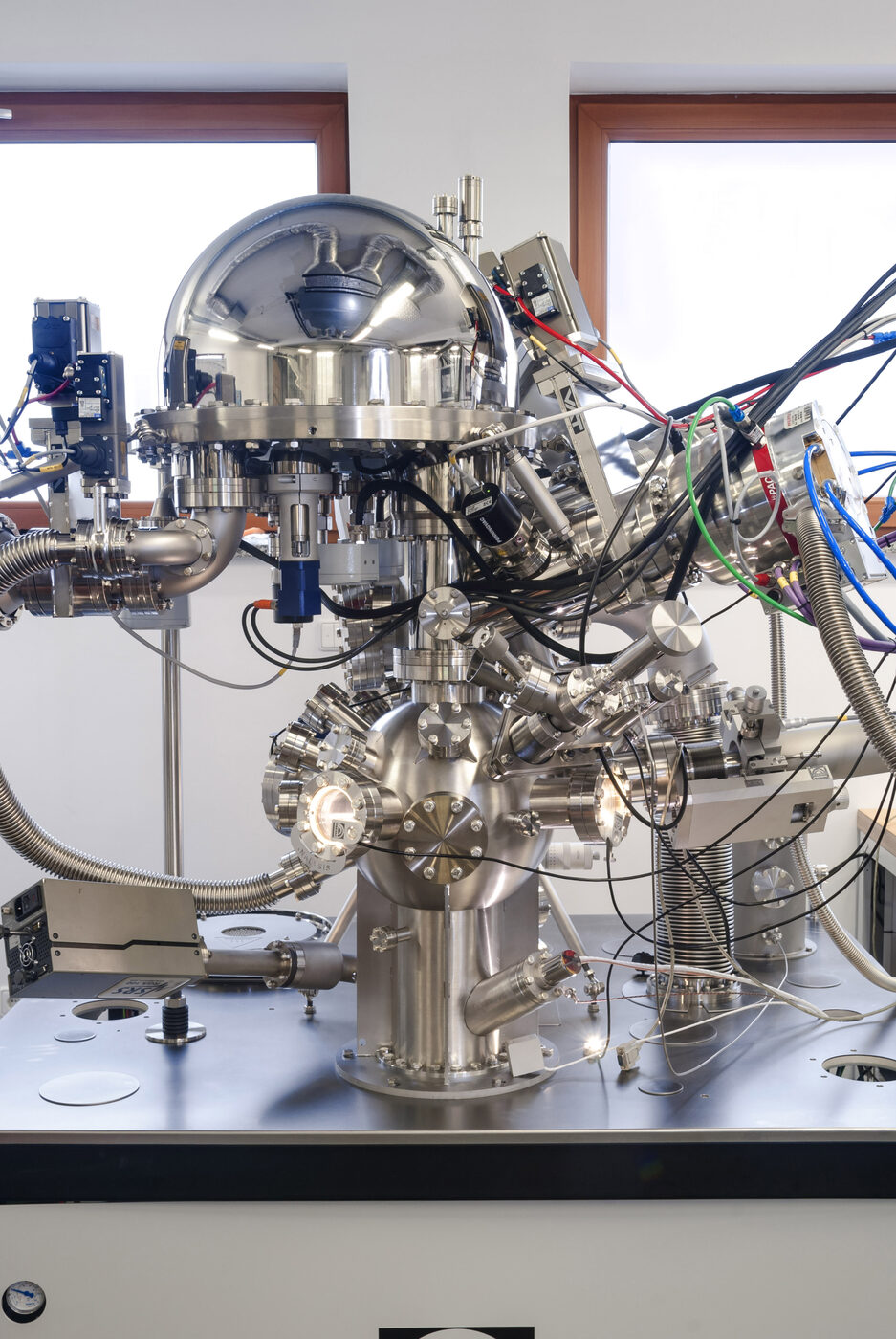
Standard HPPES Systems
High-pressure photoelectron spectroscopy from UHV to 50 mbar, bridging surface science and near-ambient studies in one instrument.
Cryotechnology
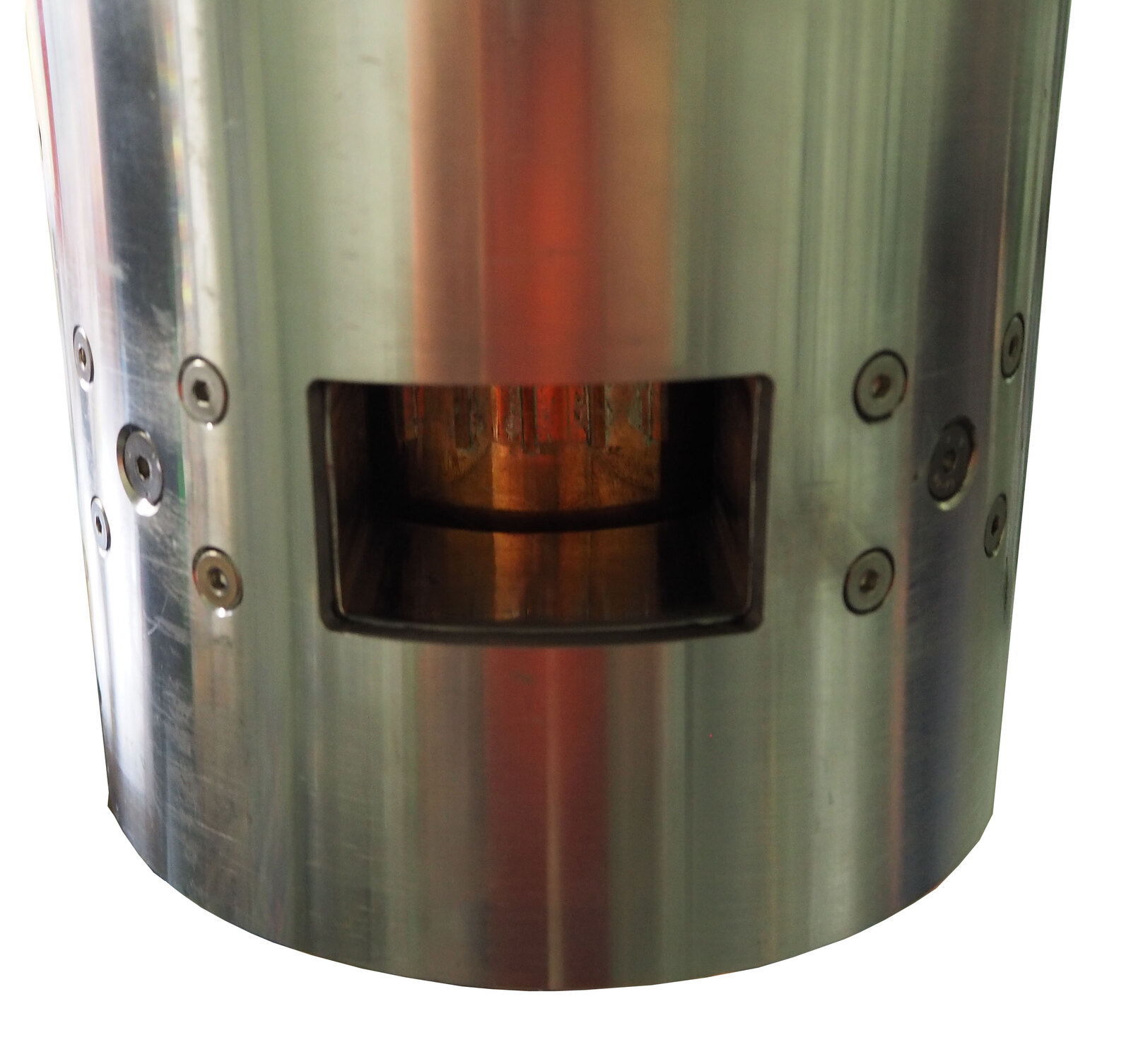
Magnet Cryostats
Superconducting magnet cryostats for high-field SPM. Bath systems house 1D, 2D, or 3D magnets up to 22 T; a dry UHV magnet offers 3 T standard, up to 7 T. SPM / STM / AFM compatible.
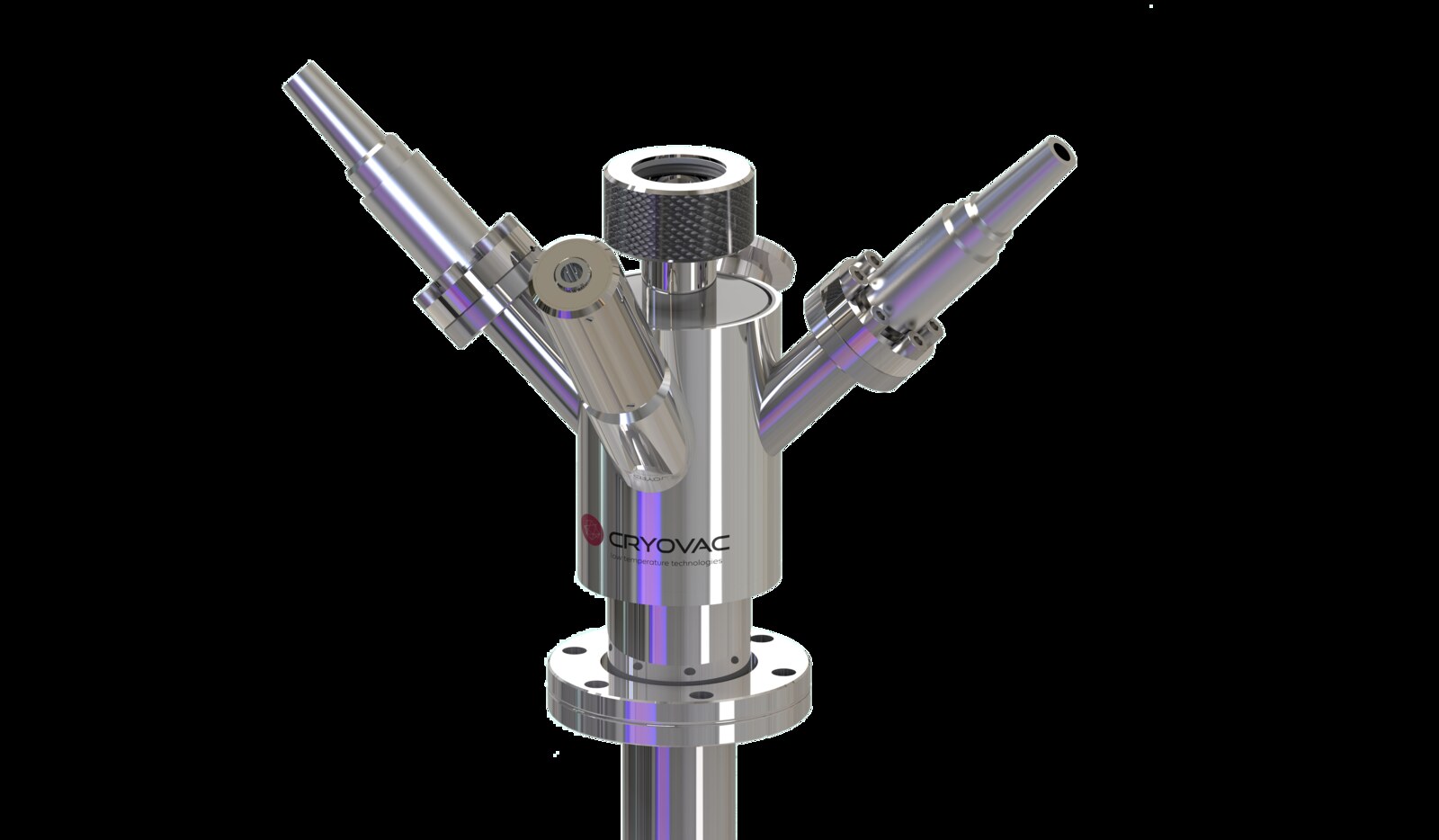
Continuous Flow Cryostats
Continuous flow cryostats, supplied with LHe or LN₂, for variable-temperature experiments in UHV and optical setups. Temperature range from below 3 K to 500 K with cool-down in minutes. Cold-finger (Konti UHV) and top-loading exchange-gas (Konti Spectro) designs.
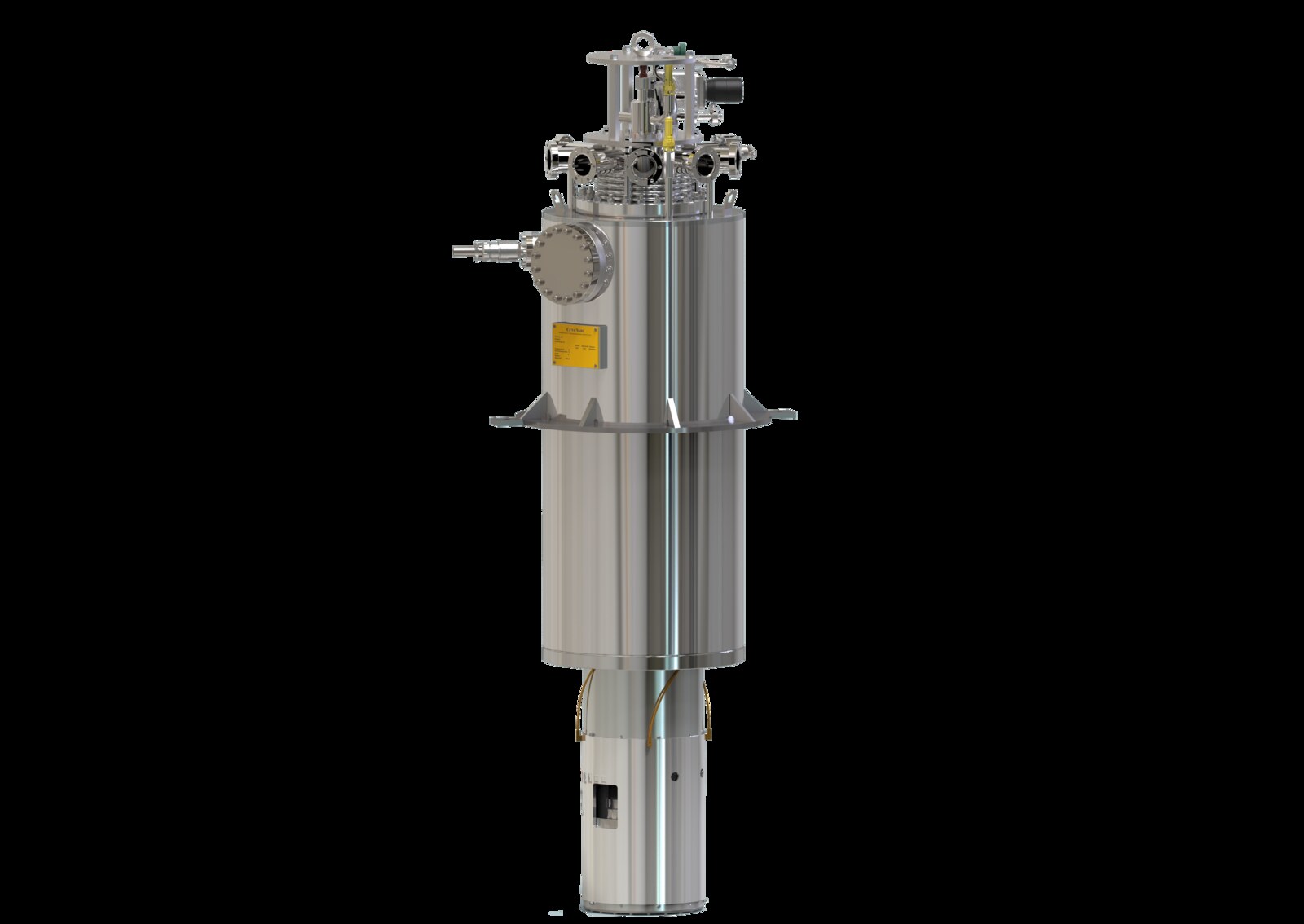
Bath Cryostats for SPM
Liquid helium bath cryostats for scanning probe microscopy, where ultra-low vibrations are required. Temperature range 2.2 K to 4.2 K; 1 K pot and Joule-Thomson versions reach 1.0 K with helium-4.
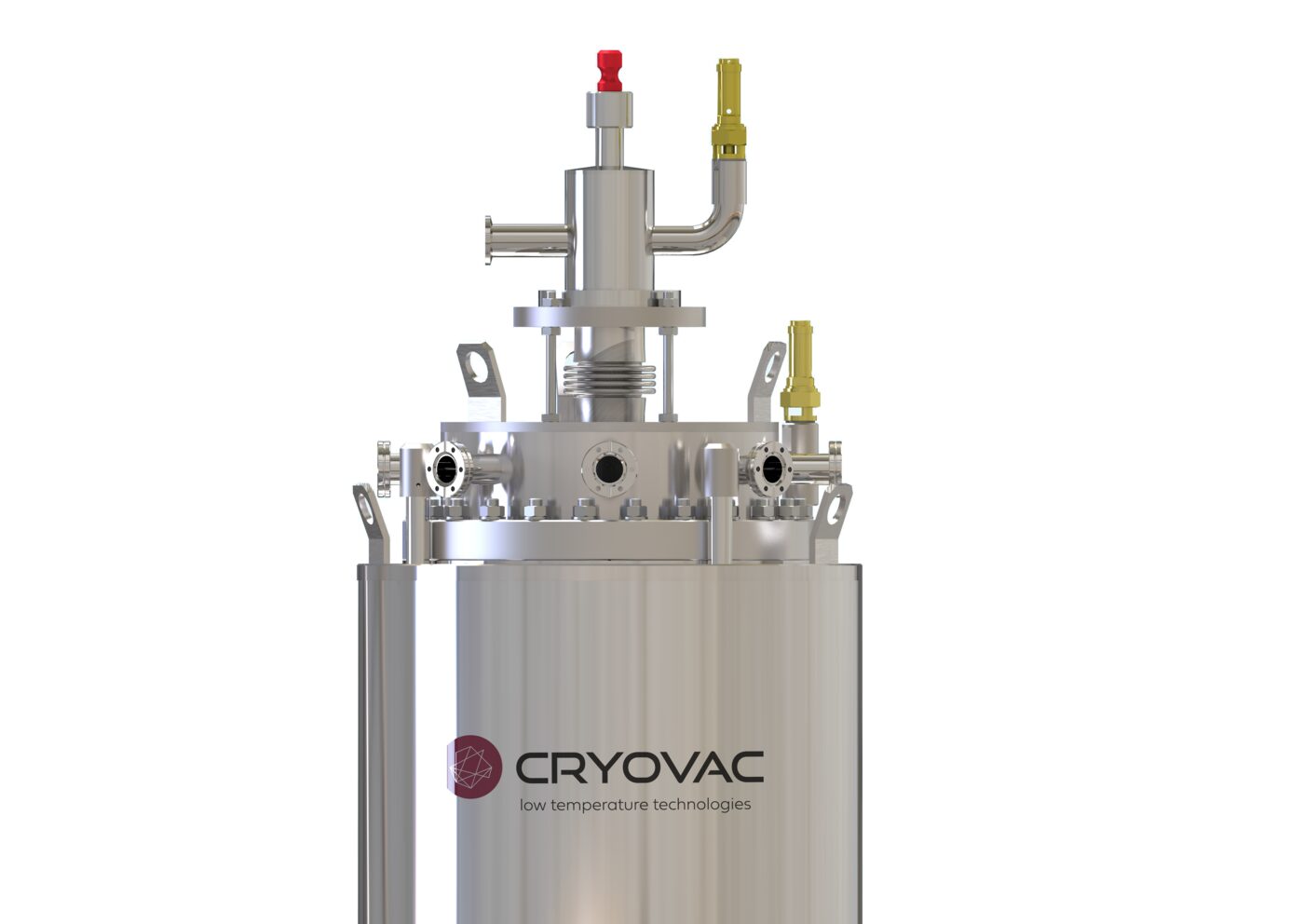
UHV 1K Bath Cryostat
1 K helium pot on an ultra-low-loss helium bath cryostat, 1.0 to 4.2 K in single-shot and continuous operation, initially conceptualized for STM, TEM and AFM measurements.
UHV Split-Pair Magnet
Compact dry split-pair superconducting magnet for UHV: 3 T (upgradeable to 7 T), inner vertical bore > Ø 70 mm, side access for sample transfer and optical access, bakeable to 120 °C.
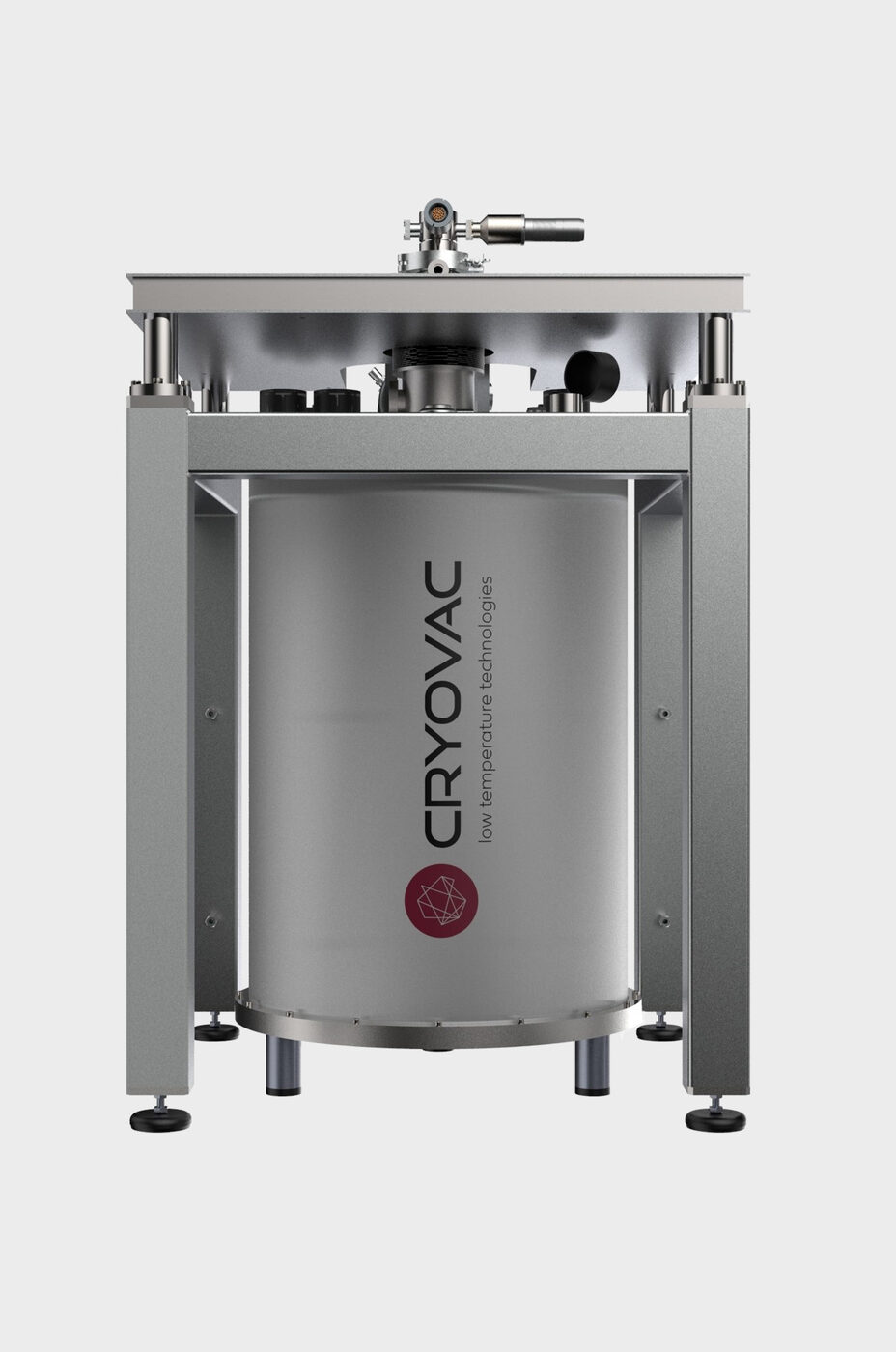
Dry 1K Top Loader
Closed-cycle variable-temperature cryostat with top sample loading, 1.5 to 300 K with a superconducting magnet running.
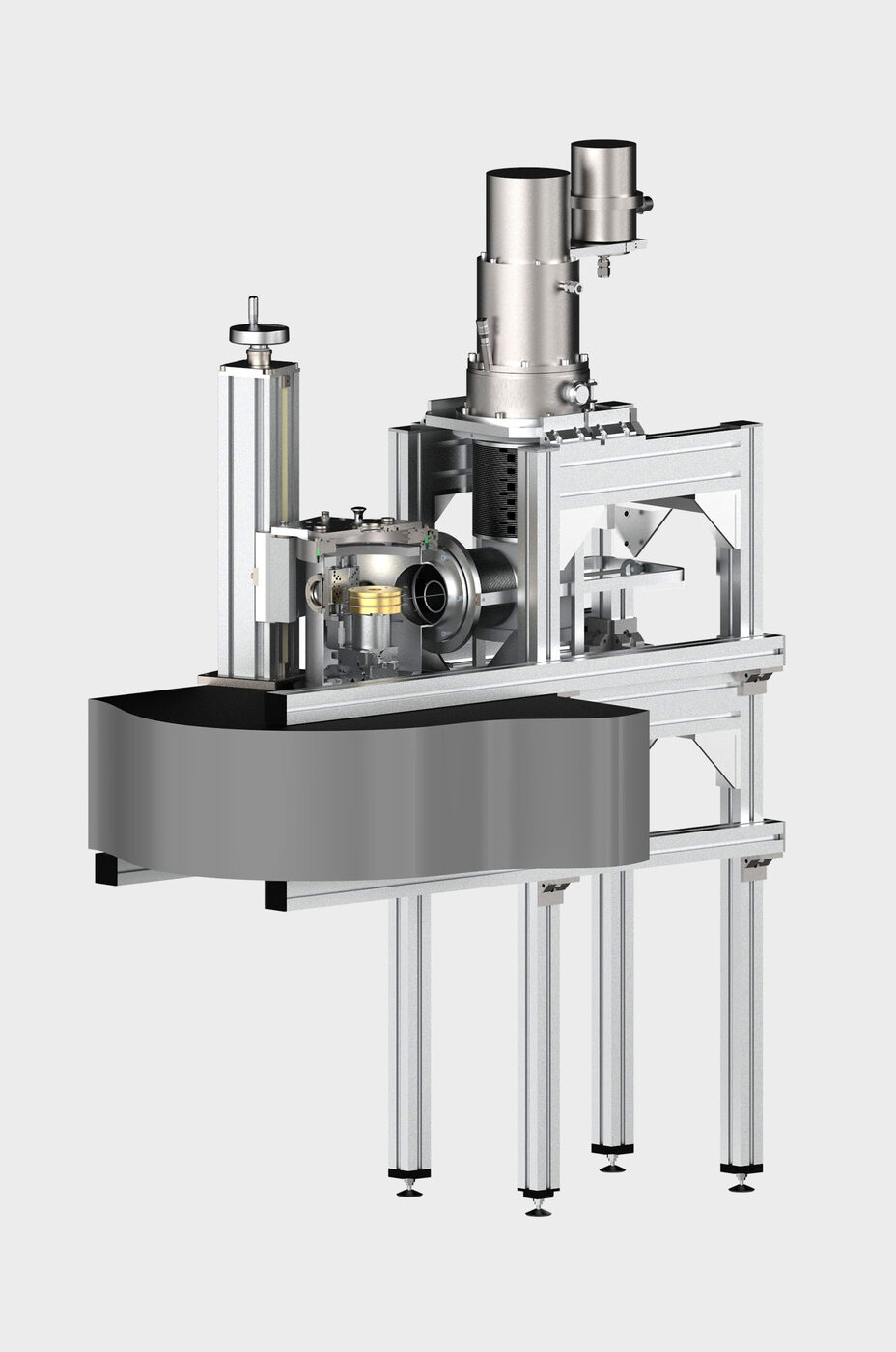
Dry Micro Cryostat
Compact closed-cycle cryostat with a built-in liquefier that transfers liquid helium directly to the sample holder, 5 to 500 K with < 10 mK stability.
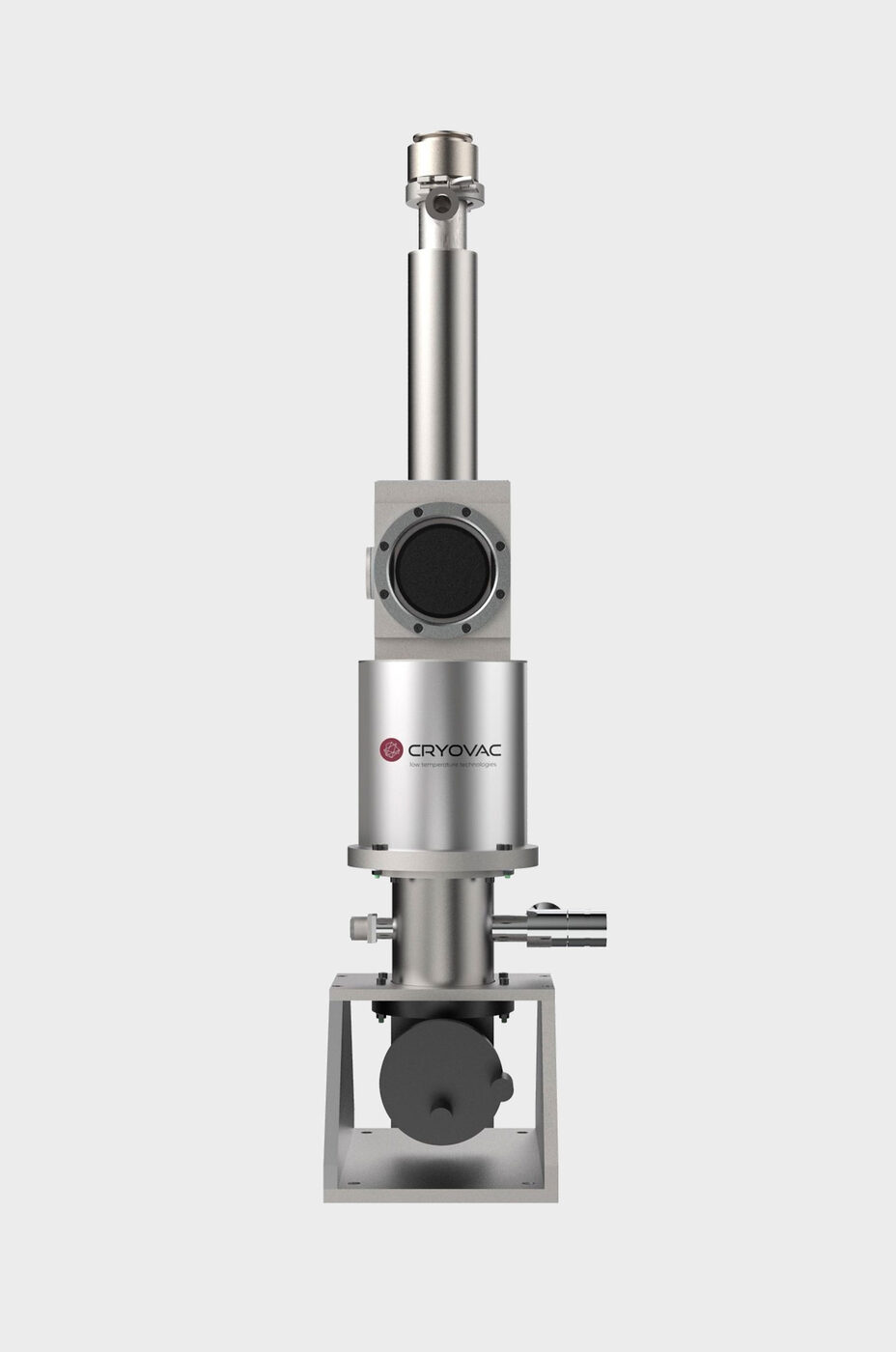
GM Top Loader Dry Cryostat
Top-loading cryogen-free cryostat on Gifford-McMahon cooling, below 4 K to 325 K, with sample exchange without warming.
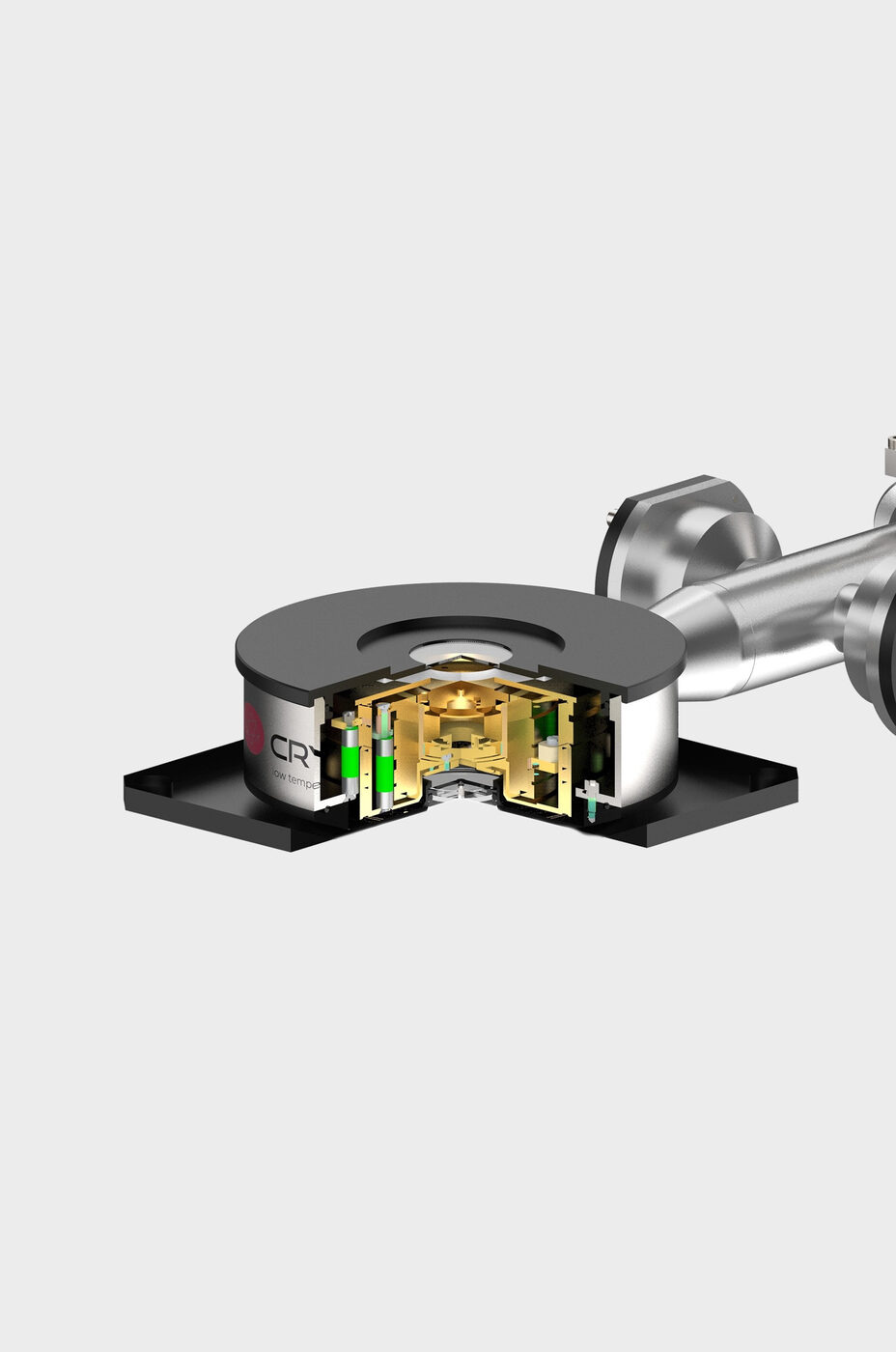
Konti Micro Cryostat Family
Compact continuous-flow cryostat with a working distance below 1 mm, 3.0 to 650 K, with modular piezo-stage upgrades and an external dry magnet up to 9 T.
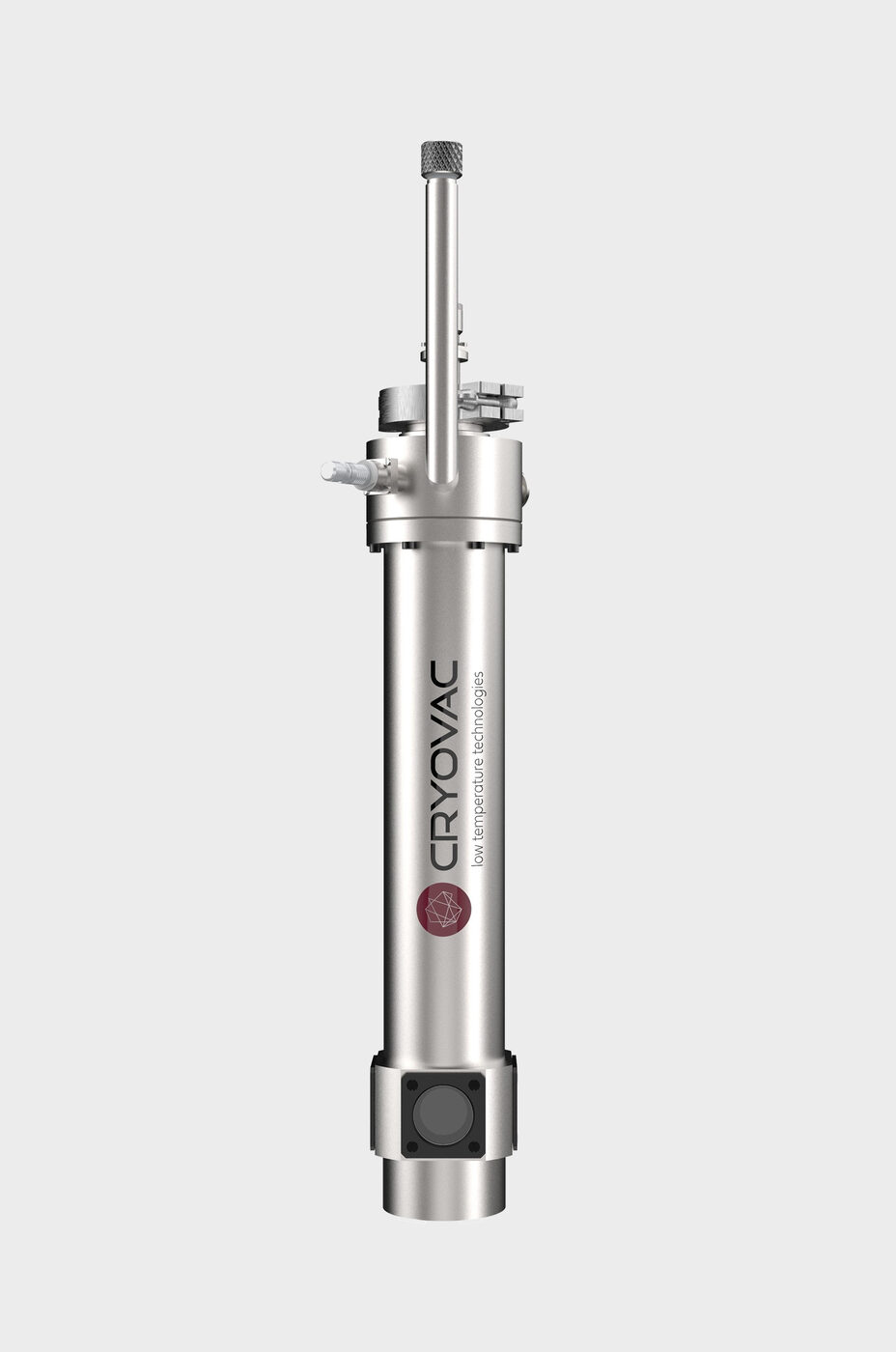
Konti Spectro Cryostats
Continuous-flow cryostats for optical and non-optical setups, in top-loading exchange-gas and cold-finger variants, 3.0 to 325 K, supplied with LHe or LN2.
Konti Spectro IT
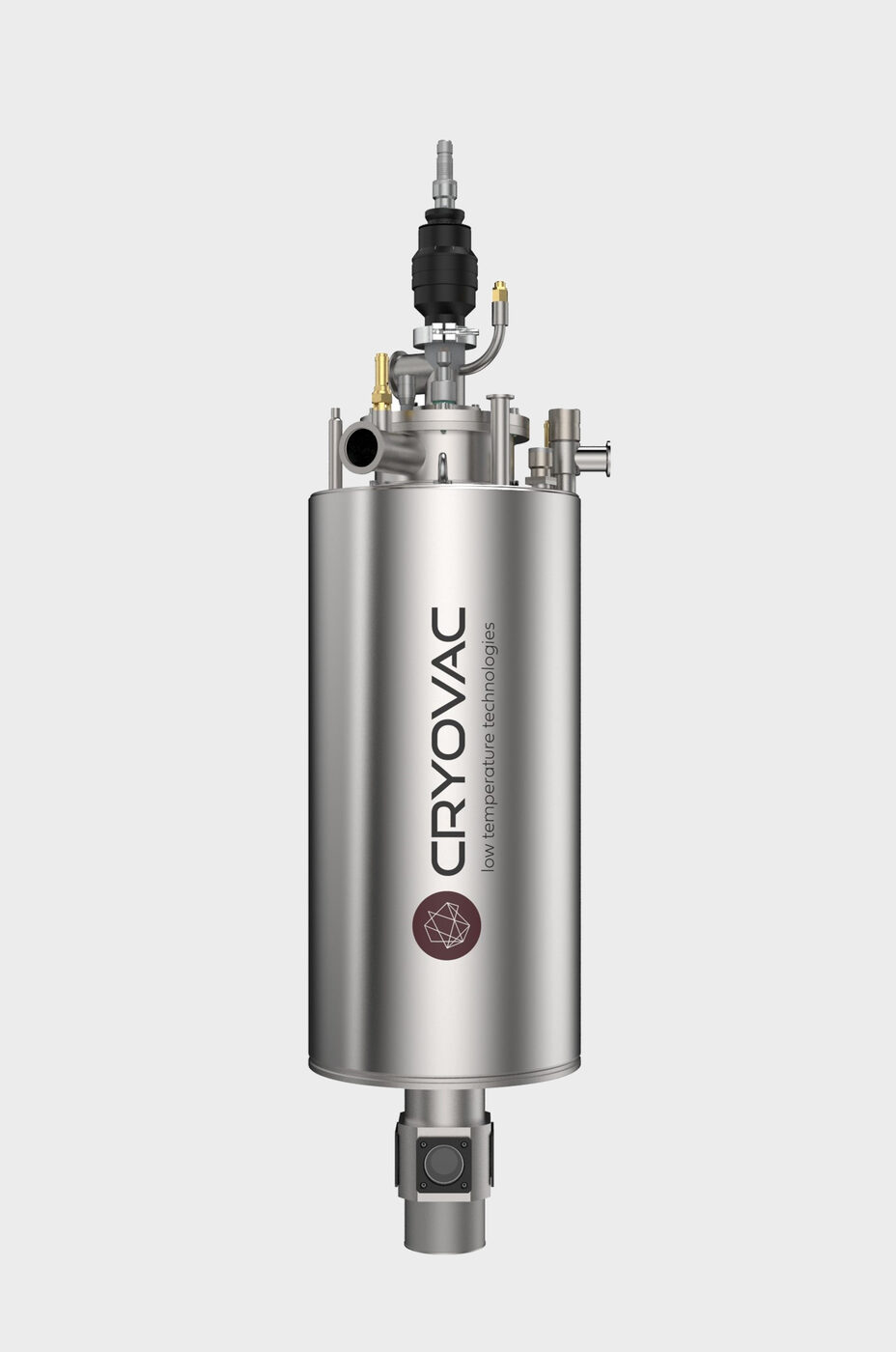
Bath cryostat with a top-loading exchange-gas variable-temperature insert, 1.2 to 325 K in continuous and single-shot modes.
Konti UHV Cryostats
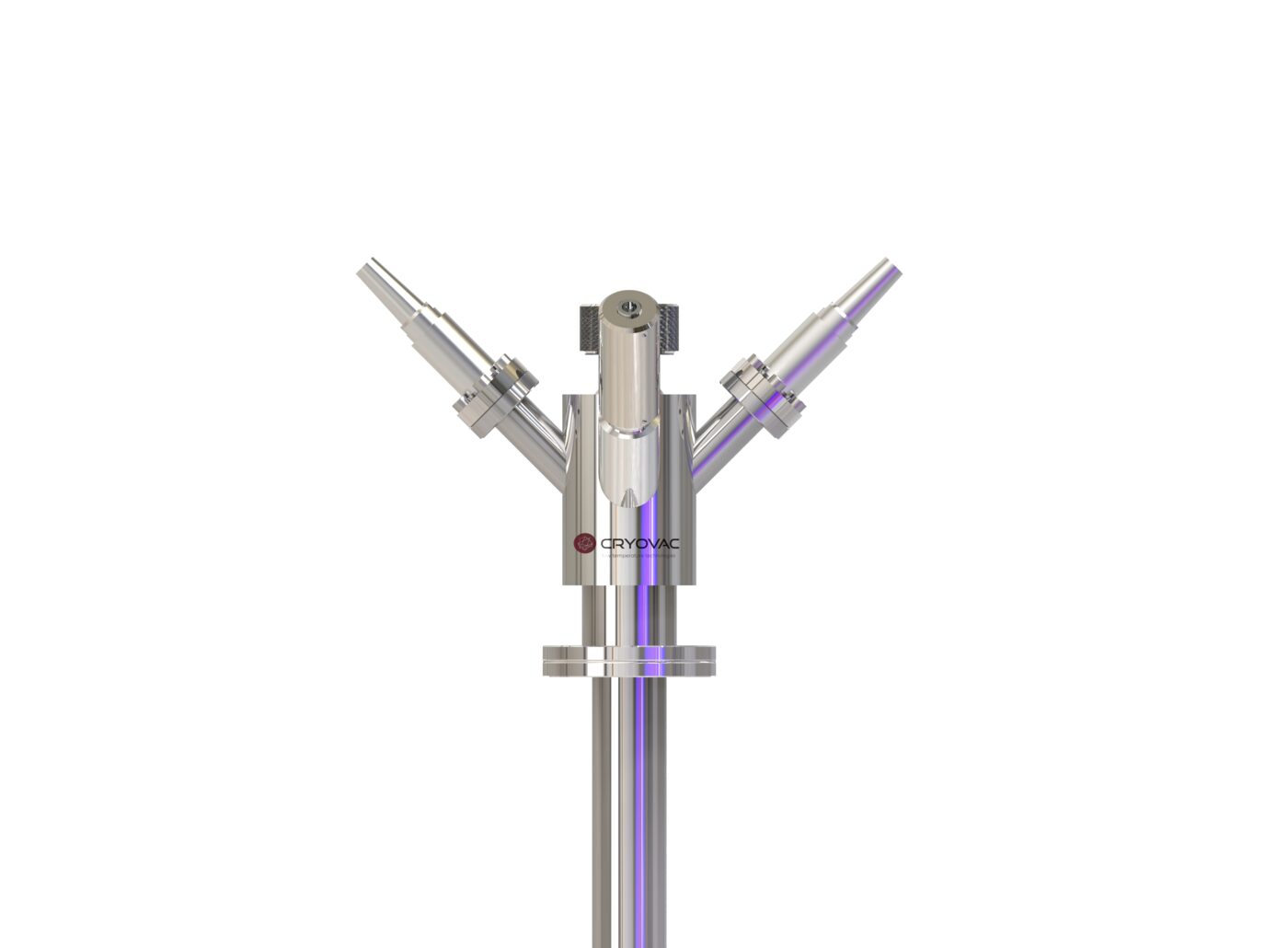
Fully UHV-compatible continuous-flow cold-finger cryostats, below 3 K to 500 K, with vibration levels that allow atomic resolution.
PT Top Loader Dry Cryostat
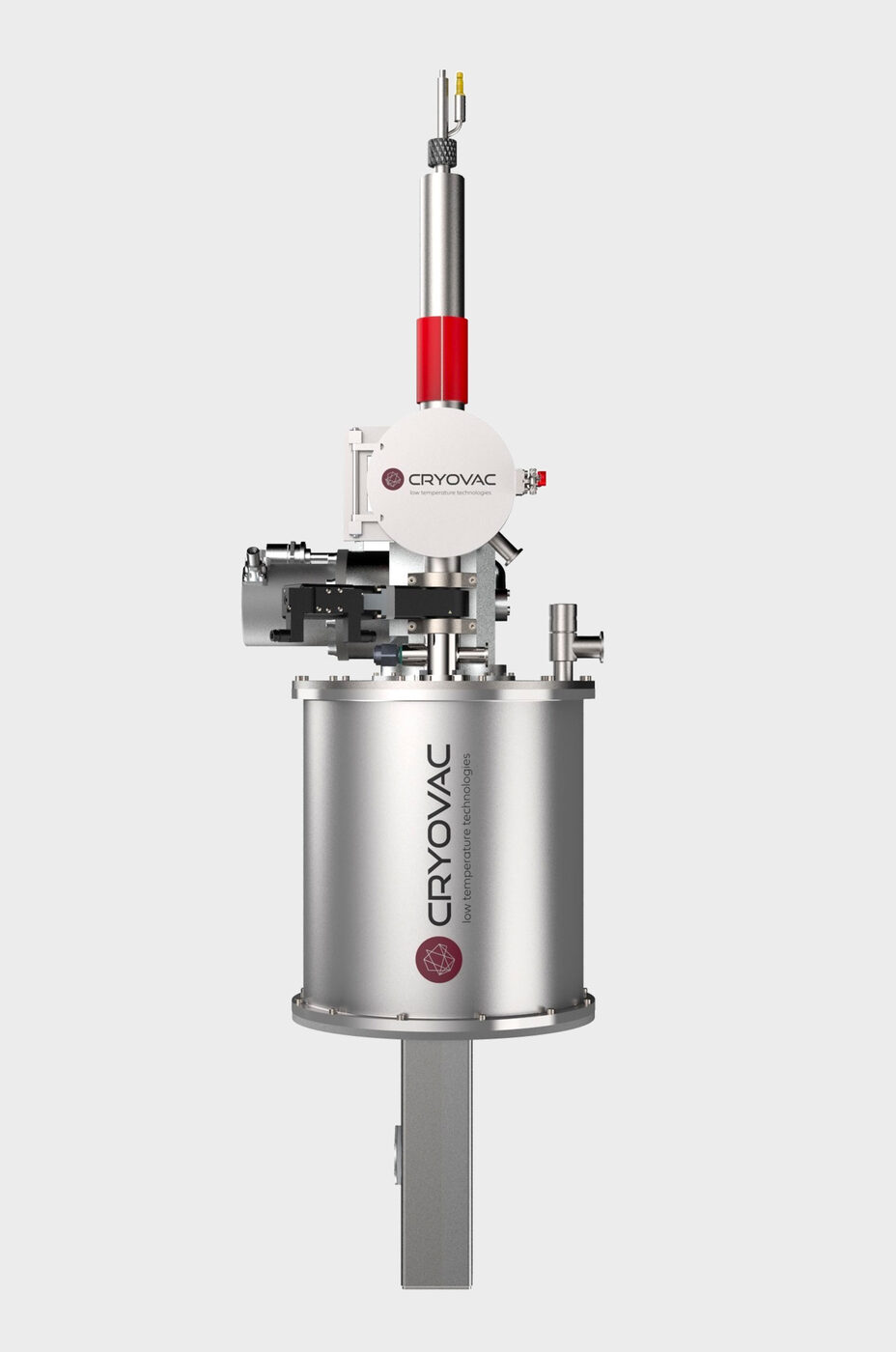
Top-loading cryogen-free cryostat on low-vibration pulse-tube cooling, below 3 K to 325 K, for optical and non-optical experiments.
UHV JT Cryostat
Joule-Thomson stage on an ultra-low-loss helium bath cryostat: 450 mK with helium-3 or 1.0 K with helium-4, SPM / STM / AFM compatible.
Heating & Thermal Systems
Bakeout Tents
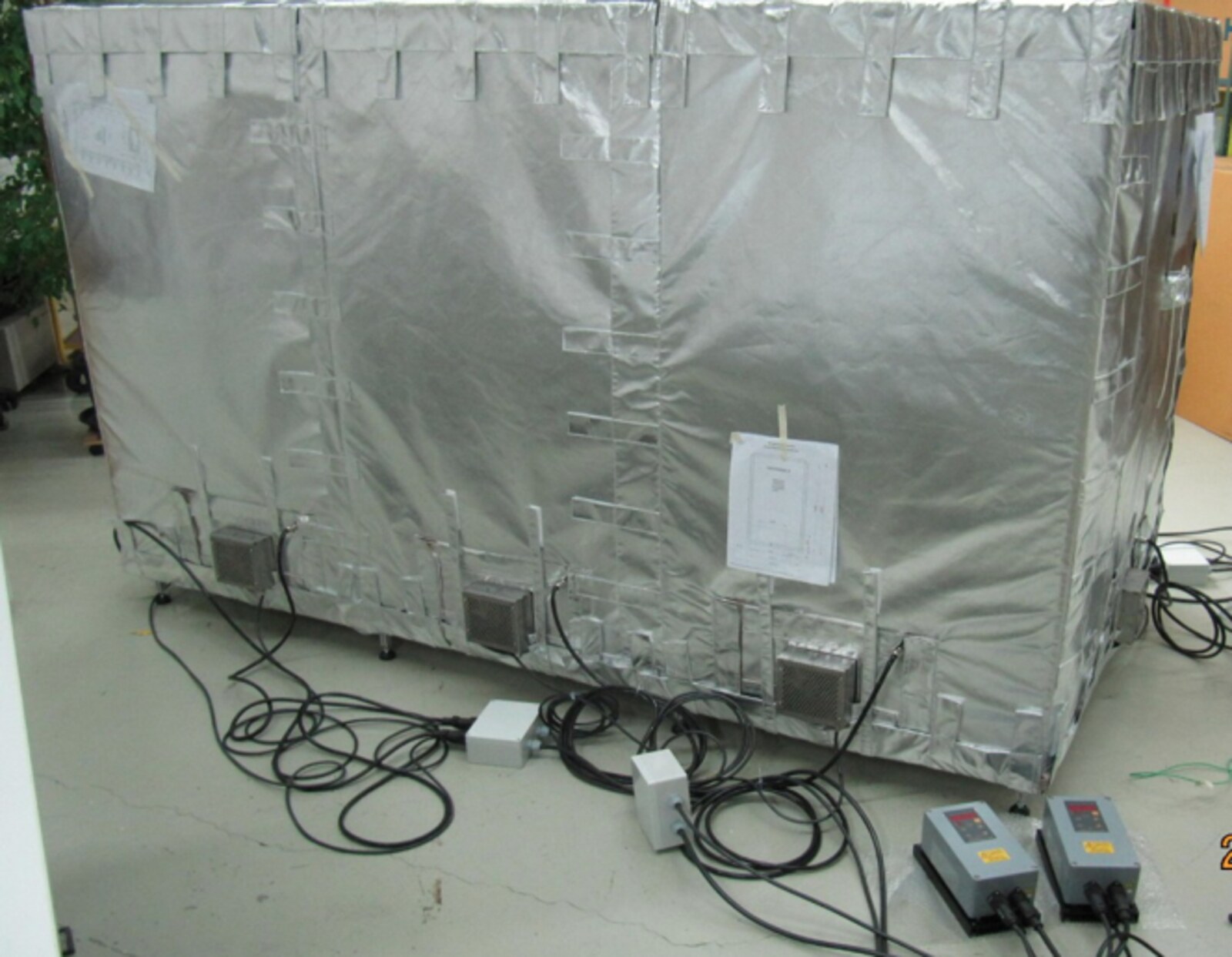
Thermally insulated bakeout tents that heat complex geometries uniformly with circulation blowers. Self-supporting aluminium profile frame, textile multi-layer insulation, dimensions to customer request.
Tube Furnaces
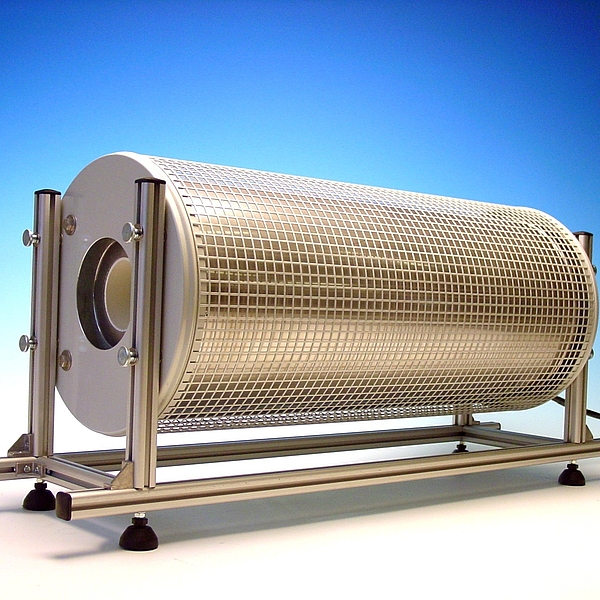
HMF-series tube furnaces from HORST: 50 °C to 1000 °C (max. 800 °C with metallic inner tubes); desktop, hinged, sliding-rail, built-in 19" and stationary multi-furnace variants. Built from standardized components to customer requirements.
Heating Jackets & Tapes
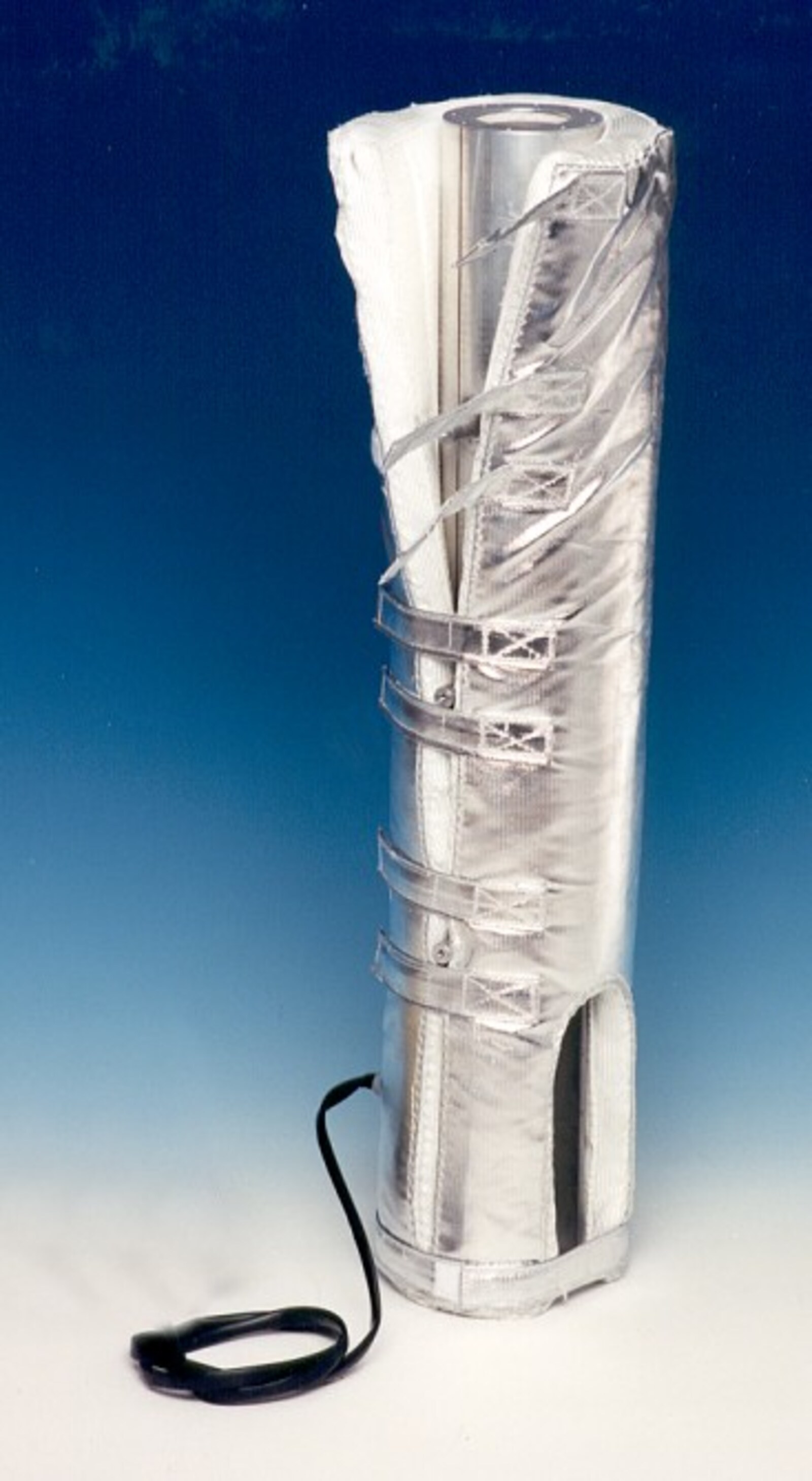
Custom-fitted heating jackets and flexible tapes for UHV bakeout. Heating conductors rated to 250 °C, 450 °C or 900 °C depending on insulation, with built-in thermocouples or Pt 100 sensors. Jackets produced to customer-specified shapes.
Temperature Controllers
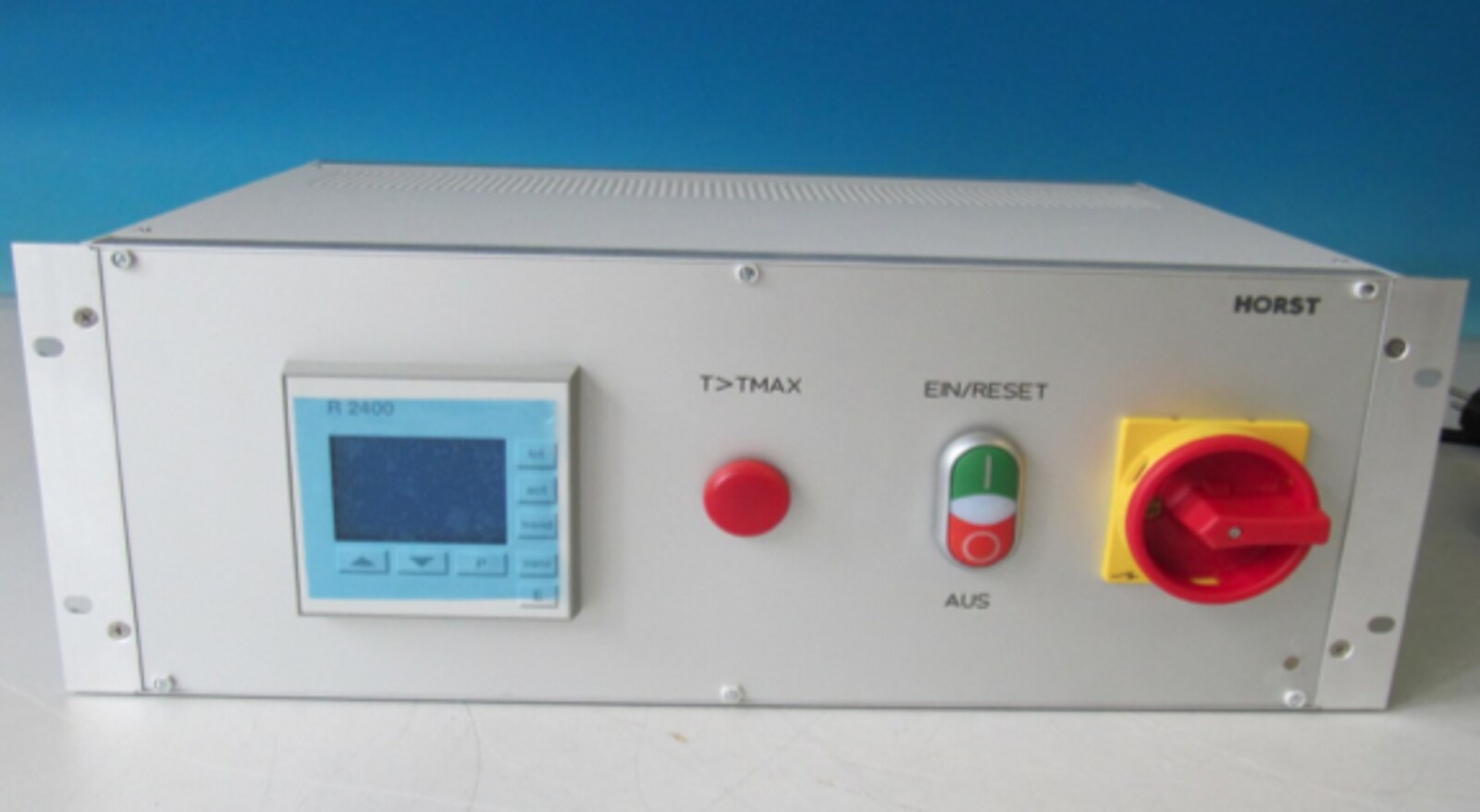
PID temperature controllers for bakeout and process heating — from the single-zone HT MC11 building block to multi-channel units with up to 16 zones and custom 19" racks with up to 24 channels. Programmable ramps, independent over-temperature supervision, and operation by PC.
More HORST Heating Solutions
More of the HORST heating range: high-performance cartridge heaters to 750 °C, tube furnaces from 50 °C to 1000 °C, heating mantles for technical glass vessels, gas heaters for non-combustible gases up to 900 °C, temperature sensors, and insulating jackets for −50 °C to 1000 °C.
Synchrotron Solutions
Synchrotron End Stations
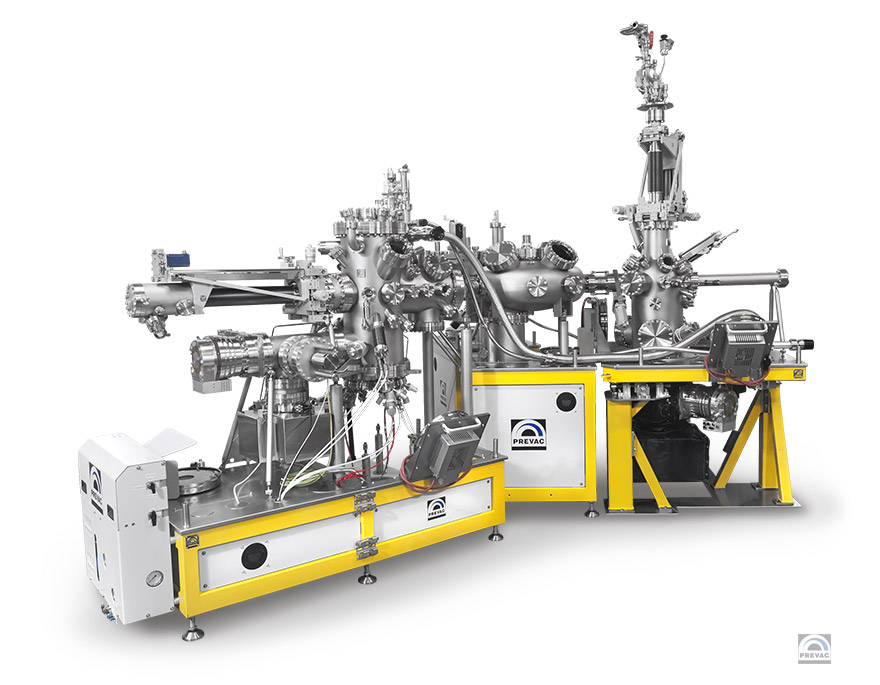
Custom multifunctional UHV analytical platforms for synchrotron beamlines, integrating different surface analysis methods.
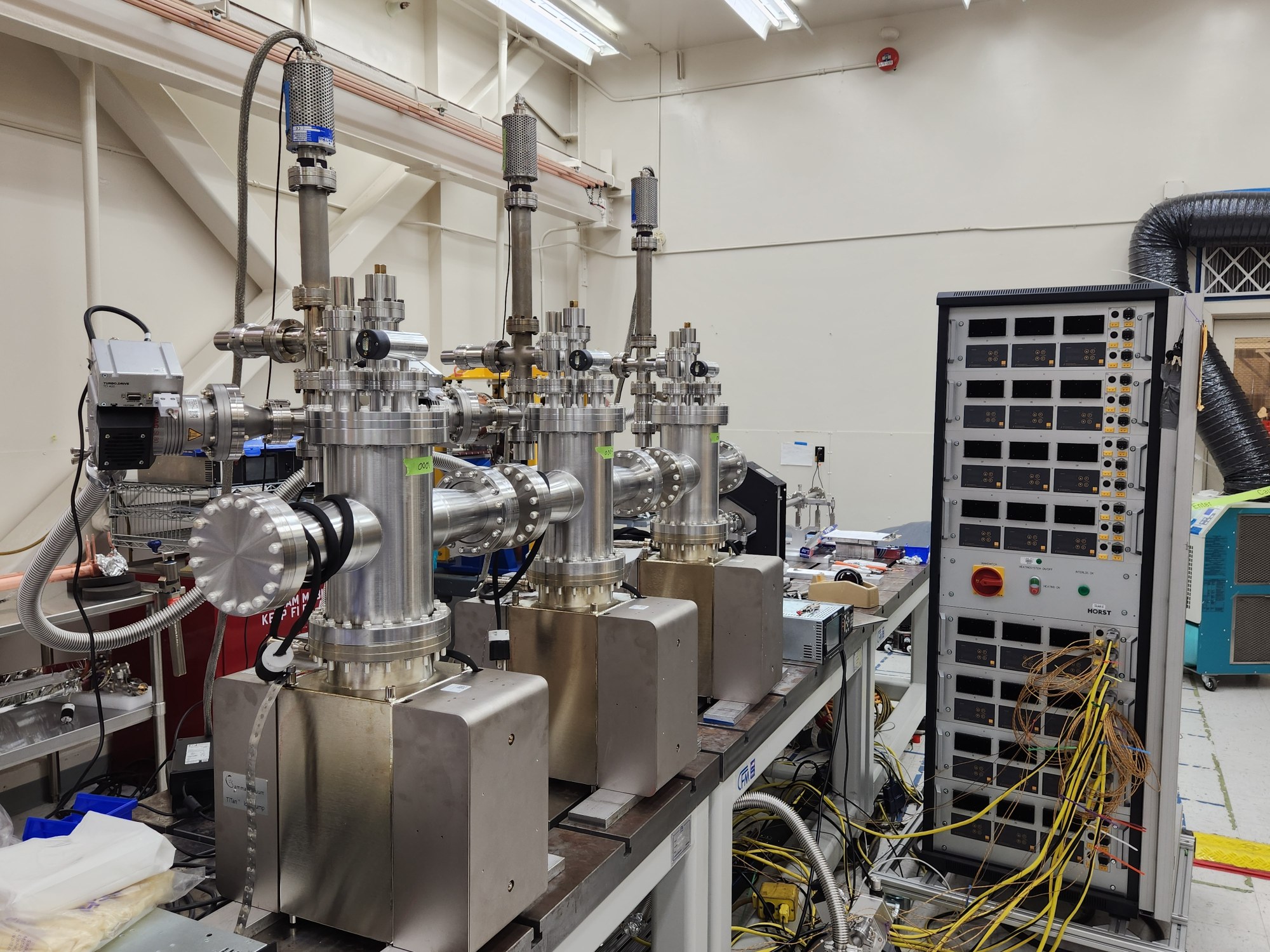
Synchrotron Heating Solutions
24-channel HORST bakeout controllers built from HT MC11 temperature controllers; six were specified, designed and built with the ALS-U project at LBNL. Parallel PID control of 24 zones per rack.